Posted: May 8, 2025
Building Ties in the Lake Temiskaming Region
What do farmers, scientists, mayors, conservationists, Algonquin community members, and community leaders have in common? Last month, they all came together on the shores of Lake Temiskaming for the annual Building Ties meeting to talk about something that connects them all: the health of the lake.
Each year, the Building Ties initiative brings together people from around the Lake Temiskaming region into one room with one shared mission: connecting across Lake Temiskaming, a large freshwater lake that makes up part of the Ottawa River and that shapes the lives and livelihoods of everyone around it.
This year, Ottawa Riverkeeper had the unique opportunity to be one of the keynote speakers at this event, alongside l’Organisme de bassin versant du Témiscamingue and Ozero Solutions. We shared results from our community-based monitoring programs, highlighting important issues, such as total phosphorus concentrations in the region and the many invasive species present around the lake.
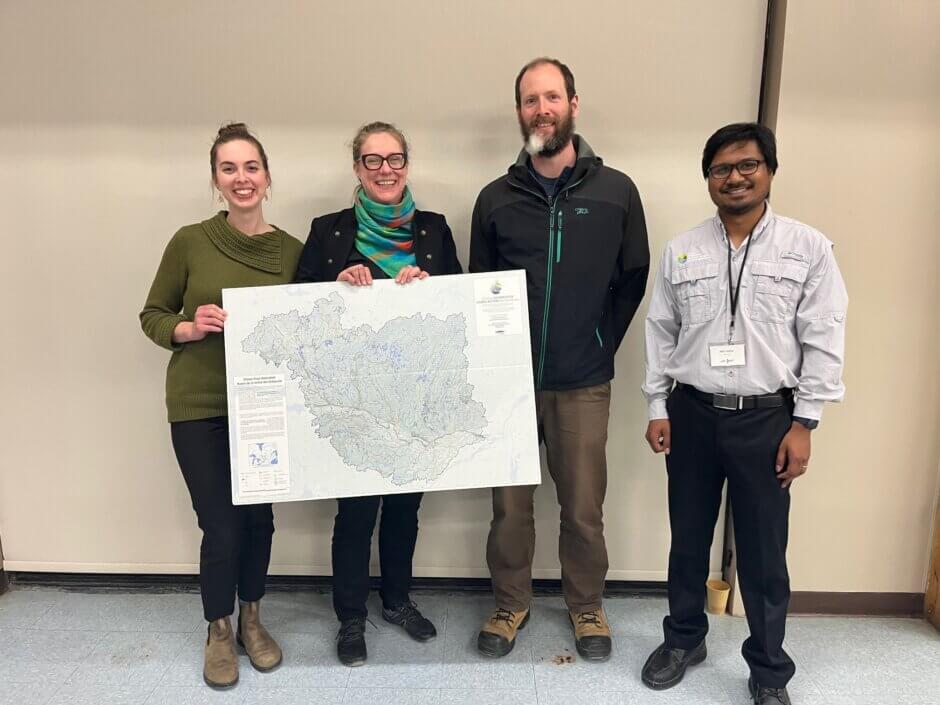
We were fortunate to meet so many amazing people who care deeply about the rivers and lakes in this region. Many are already leading in its protection. And we’re excited to build on these new connections, support local efforts, and keep this momentum going into the year ahead.
This meeting reminded us of something powerful: we’re stronger when we work together. Because this isn’t just about a lake or river — it’s about the communities that surround it, the ecosystems that depend on it, and the future we all share. We all have a role to play in protecting Lake Temiskaming and the greater Ottawa River watershed.
Ottawa Riverkeeper’s trip to Lake Temiskaming

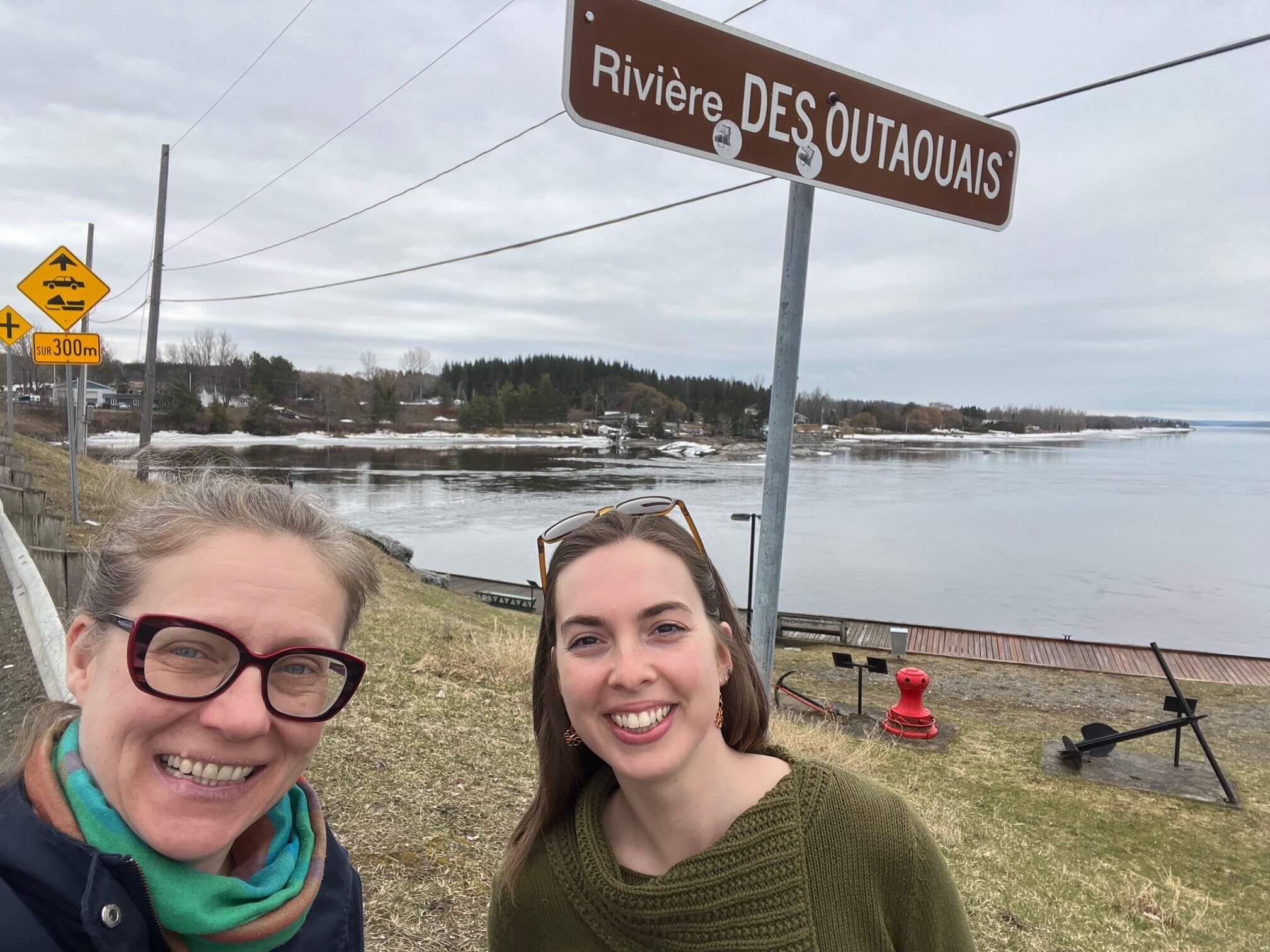
Larissa and Elizabeth travelled from Ottawa up to Temiskaming for the meetings, a 6-hour drive, highlighting just how vast this amazing watershed is.
Our Science Team only had a couple of days in the Lake Temiskaming area, but we wanted to make the most of their time visiting the region! Larissa and Elizabeth were not shy about setting up many meetings on either side of the lake. They had a breakfast meeting in Ville-Marie with one of the councillors, where they excitedly discussed how the work we are doing on invasive species could support the town’s efforts and help raise awareness about how these species are spread.
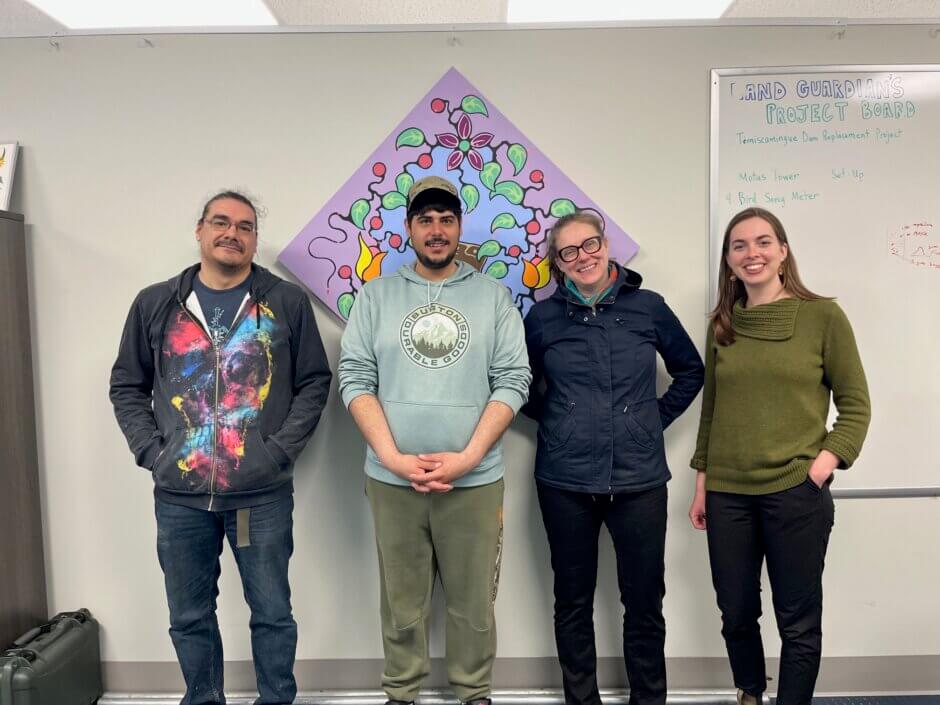
Later that day, Larissa and Elizabeth visited the Lake Timiskaming First Nation to connect with others working on the health of the river and lakes. It was a short but meaningful conversation—an opportunity to learn about their current projects and explore where our efforts might align. We’re hopeful that this is just the beginning of a longer-term collaboration.
Back in Temiskaming Shores, the team reconnected with two of our dedicated Riverwatchers, spoke with a well-connected local resident, and joined the Building Ties meeting to continue the conversation. It was clear throughout the visit that many people in this region care deeply about these waterways. Meeting in person gave us a valuable chance to hear about local initiatives already underway and to see where we can contribute and collaborate.
By the end of the trip, Elizabeth and Larissa were already imagining future hikes along the 100 km Ottawa-Temiskaming Highland Trail, paddling adventures on the lake, and opportunities to explore the upper reaches of the Ottawa River.
One moment that stood out—during a drive through the rolling agricultural hills—was spotting a large group of sandhill cranes in the fields. It was a fitting reminder of the beauty and richness of this part of the watershed.
A bit about Lake Temiskaming
Lake Temiskaming is a vast, deep, and powerful lake that forms part of the Ottawa River, stretching 110 km along the Ontario–Quebec border and reaching depths of over 200 meters. Its name comes from the Algonquin word Temikaming, meaning “deep body of water with rapid winds.”
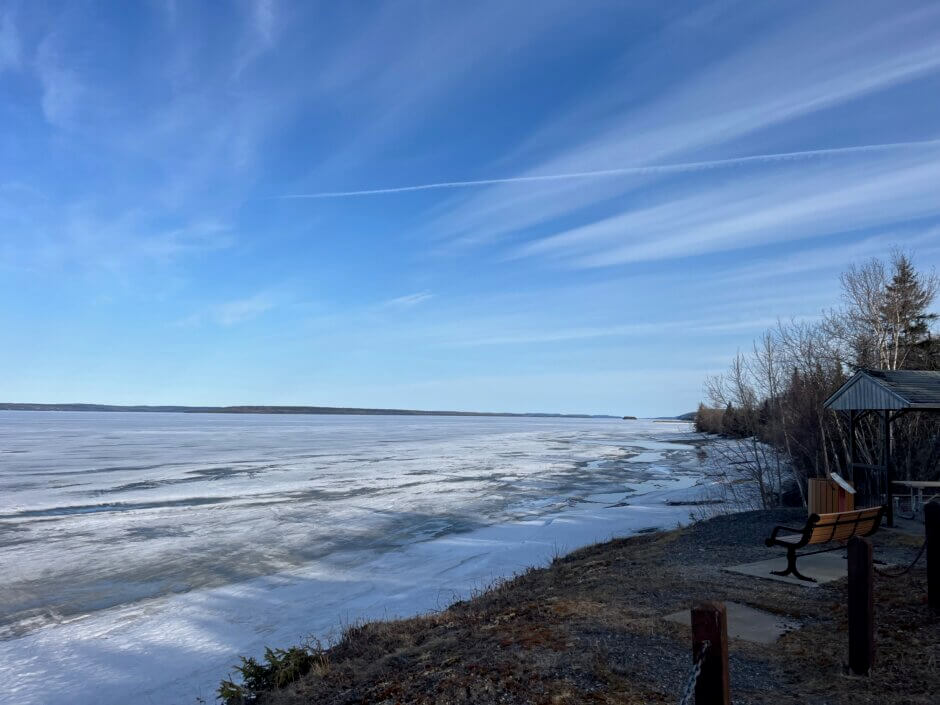
Besides being a beautiful place for boating, fishing, and swimming, it’s also part of a larger ecosystem that feeds into the Ottawa River. It supports local economies—from agriculture to forestry to tourism. And for the people who live here, it’s part of their identity.
Health check: what our data tells us about Lake Temiskaming
During the Building Ties meeting, Ottawa Riverkeeper presented about total phosphorus concentrations and invasive species reported around Lake Temiskaming.
Total Phosphorus
Since 2021, our community science team has been tracking phosphorus levels in streams in this part of the watershed. The land across the northern area of Lake Temiskaming is made up of a rare clay belt, rich, fertile soil that makes this region prime agricultural land. Like in other parts of the watershed, lots of agricultural land often means runoff with excess phosphorus that impacts the local streams, and eventually, the lake. Total phosphorus is an essential nutrient for aquatic plant species; however, too much can have harmful consequences, fueling harmful algal blooms that can choke out aquatic life and threaten human health. Learn more about our total phosphorus findings here.

Total phosphorus concentration vs percentage of agricultural land in the Ottawa River watershed. The Blanche subwatershed, located in the Lake Temiskaming region, is a hotspot for excess total phosphorus.
Invasive species

While phosphorus affects water quality, invasive species threaten the balance of the ecosystem.
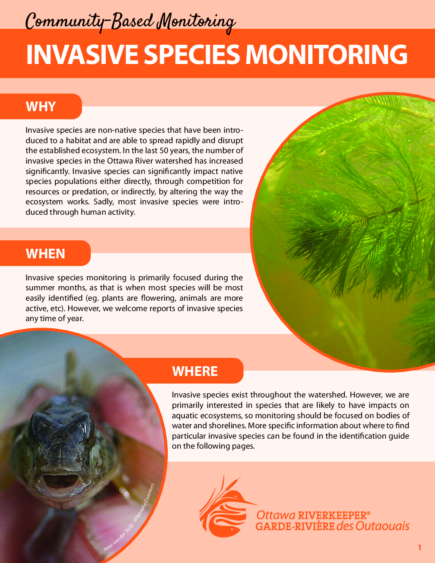
Based on reports of invasive species from our community-based monitoring program and from iNaturalist, observations of European water-milfoil, purple loosestrife, and spiny waterflea have been reported in Lake Temiskaming and nearby rivers.
These plants and critters might seem harmless, but they can have a significant impact on native species—they can overtake native species, alter habitats, and can be difficult (and expensive) to control once they have been introduced into a waterway. From our perspective, an additional concern is that many invasive species go unreported. That means that they could be spreading unchecked.
Have you seen any of these common invasive species? If you are open to learning how to report a suspected invasive species in the region of the watershed where you live or visit, consult our community-based monitoring guide, or reach out to the Science Team to learn more about this program and what invasive species are present in the watershed and your region.