
Posted: August 26, 2025
Hanging up the waders
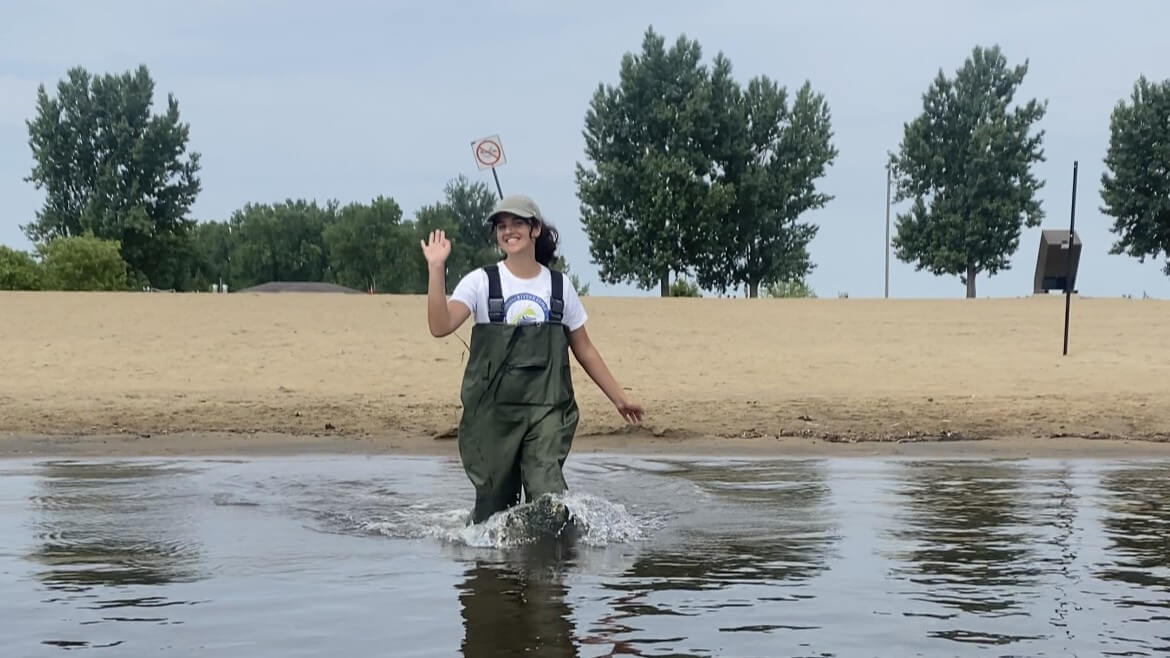
Ottawa Riverkeeper's Water Quality Assistant for the summer of 2025, Maya Lawson, shares some of her experiences going to beaches to test water quality this summer, and the connections she made with people and the river!
The end of August means the end of this summer’s recreational water quality testing and my time as water quality assistant. Instead of thinking about going back to classes, I am reflecting on my experiences with Ottawa Riverkeeper over the past few months.
Having grown up in Ottawa, I always enjoyed being by the Ottawa River. Going into this job, I felt like I had a good idea of the happenings in our watershed. But I quickly realized there was so much about the watershed that I did not know and places I hadn’t discovered yet. Every day I worked this summer opened my eyes to just how vast this watershed is.
Discovery
One of my favourite parts of doing recreational water quality sampling was discovering new areas of the Ottawa River watershed. I got to sample in stunning areas I had no idea existed, such as Norway Bay and Sand Bay. Located on the Quebec side of the Ottawa River, they are just over an hour’s drive upstream from downtown Ottawa and are very peaceful communities with the kindest residents, making them perfect summer destinations!
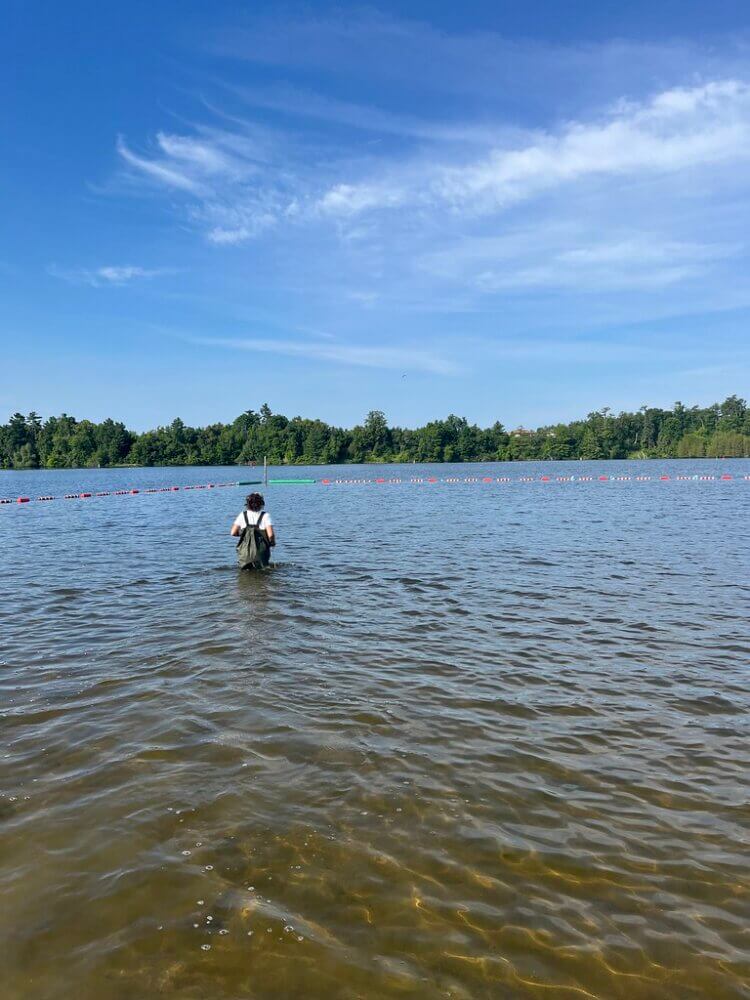
Another area that was new to me was Lac Beauchamp. This recreational area is in Gatineau and has a supervised beach, several kilometers of forested multi-use trails, offers a boat rental service, and facilities. Unfortunately, the beach was closed due to poor water quality for a significant portion of the summer. Poor water quality impacted a few other beaches in the region including Petrie East bay beach, Mooney’s Bay and Parc Moussette, a reminder of how fragile aquatic ecosystems are.
It’s all about the people
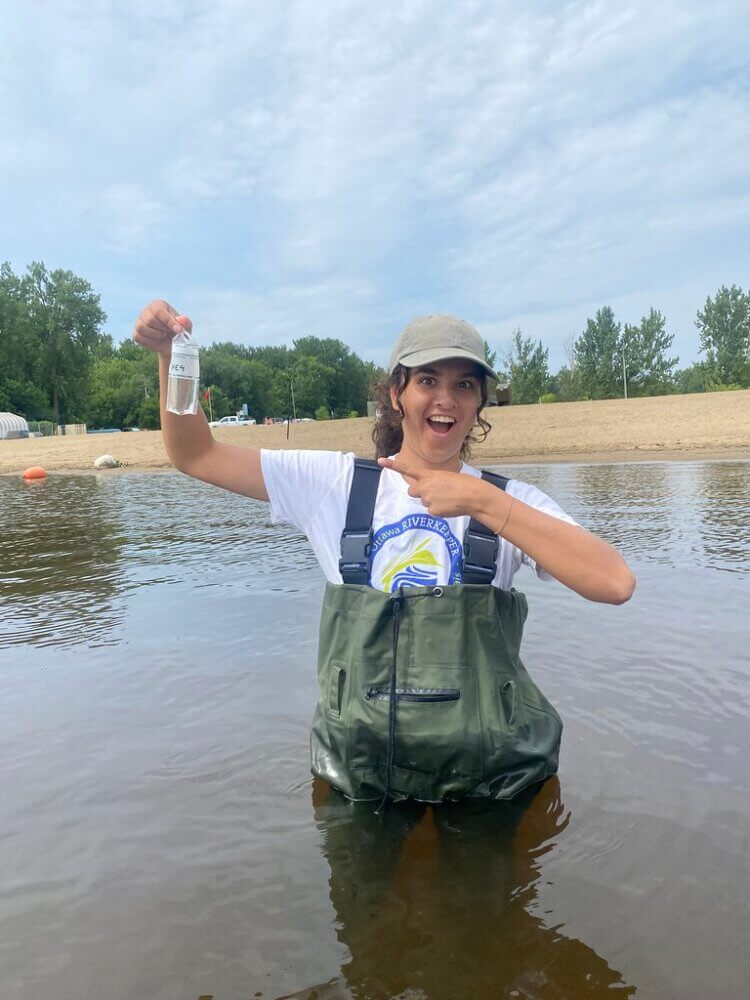
Every day that I was out collecting samples, people would always come up to me asking what I was doing and want to learn more about how the water was. And I don’t blame them! With oversized waders on or carrying a pole with a cup on the end, I definitely stood out. These interactions became highlights of my days. I was always happy to hear of peoples’ interests in the health of the watershed, knowledge of Ottawa Riverkeeper’s initiatives, or receiving their concerns. It was also so touching to hear that the water quality testing that I was performing made people feel safer and that they could enjoy summer activities more knowing that regular testing was being done. Hearing from people in the field was a great way to better grasp what concerns people had about water quality and what information they wanted access to.
It was also wonderful to work with community scientists who are so passionate about and interested in the wellness of this watershed. Using community-based observations and participating in sampling contributes so much to our database and shapes the work we are able to do. Without these volunteers, Ottawa Riverkeeper would not have nearly the impact we do. It was inspiring to meet so many life-long learners that were pursuing their interests.
Learnings
As the summer went on, I realised that I had initially underestimated what it takes to evaluate recreational water quality. One of the biggest misunderstandings I had was how many different factors can contribute to water quality.
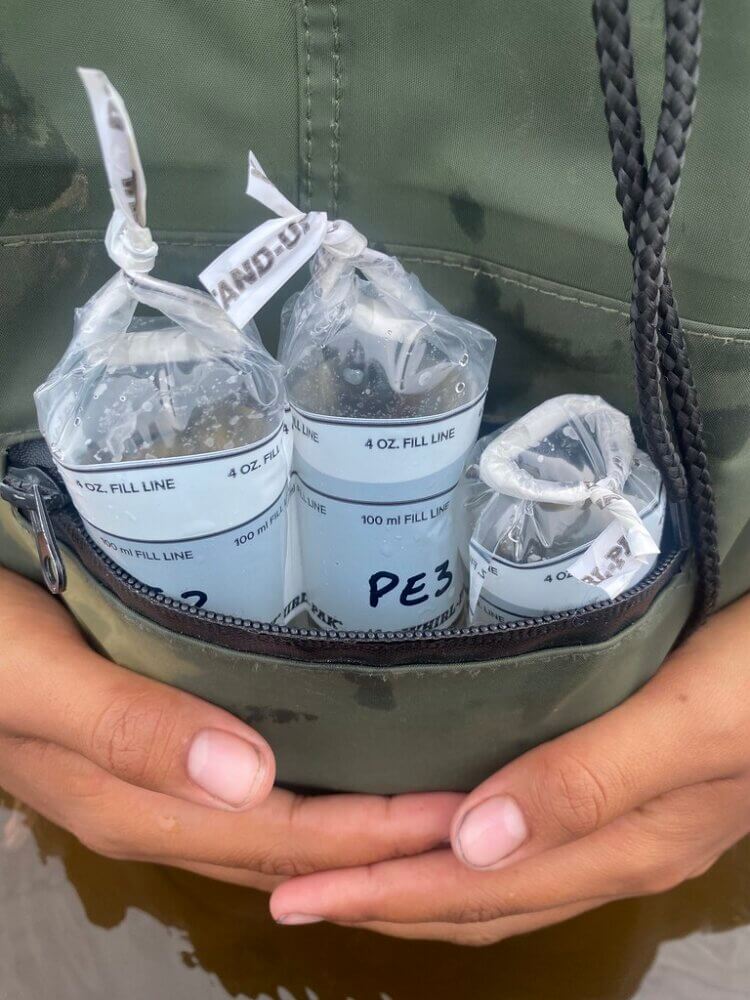
Every time I took samples, I would note several observations. These included things like the water temperature, weather at that moment and in the past 24 hours, human activity and state of the shoreline. I also noted if there was pollution or biological activity including invasive species and algal blooms.
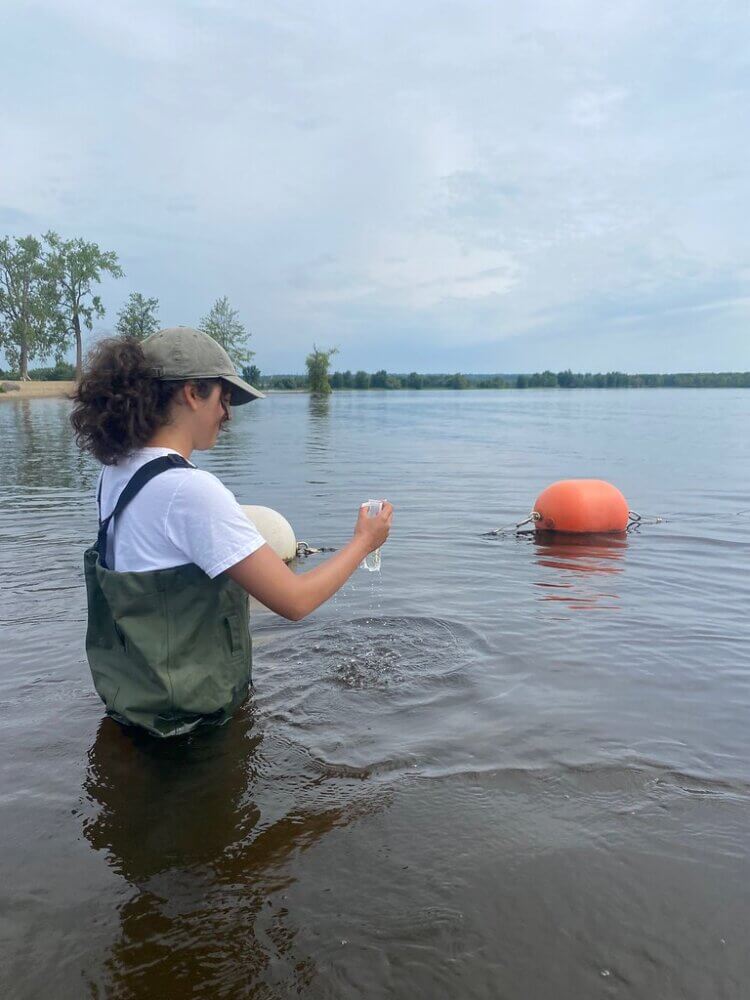
After the samples were analysed, a higher than usual E. coli count could often be correlated with a change in one of these observations or a combination of factors. For example, high E. coli counts were observed not only when there was a lot of goose droppings around, but also when the water temperature was notably warmer than expected, or there had been a heavy rain event the day before sampling.
I developed an interest in the regulation for recreational water quality in various regions of the watershed and the practices of each governing group. It became clear that misunderstandings stem from inconsistencies in information provided by each group. Since the Ottawa River watershed is so large and runs through so many municipalities, it is hard to coordinate the information that is being put out and the messages that are being spread.
Long story short
My main takeaway from my experiences this summer is that we have a beautiful watershed that we can’t take for granted. Visiting the beaches in different parts of this watershed reinforced this for me.
Plus, Ottawa Riverkeeper has a pretty awesome office location. The windows looking out onto the river make for a great view and I’ll miss being able to jump in the water to cool off at any time.
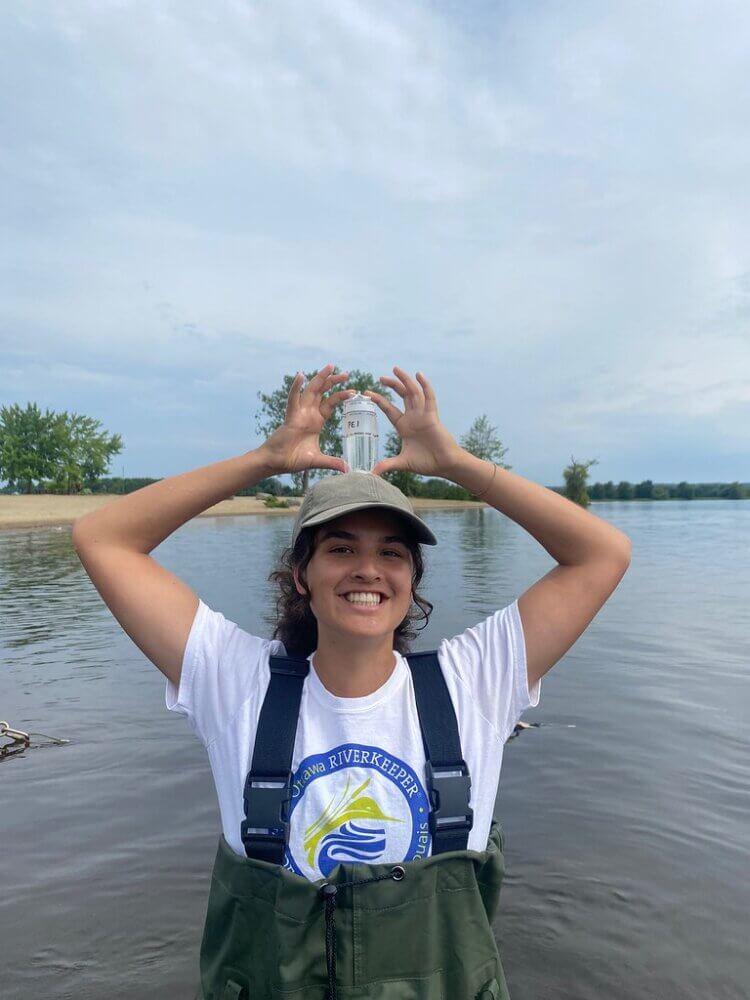
Ottawa Riverkeeper has so many interesting initiatives on the go and a dedicated team that will have lasting positive impacts on the health and accessibility of the watershed for generations to come. I can’t wait to see how the Ottawa River watershed shapes conversations, actions, and initiatives in the coming years.
< Previous post Next post >
Leave a Reply