
Posted: June 22, 2021
Low Water Levels: A dry spring in the watershed
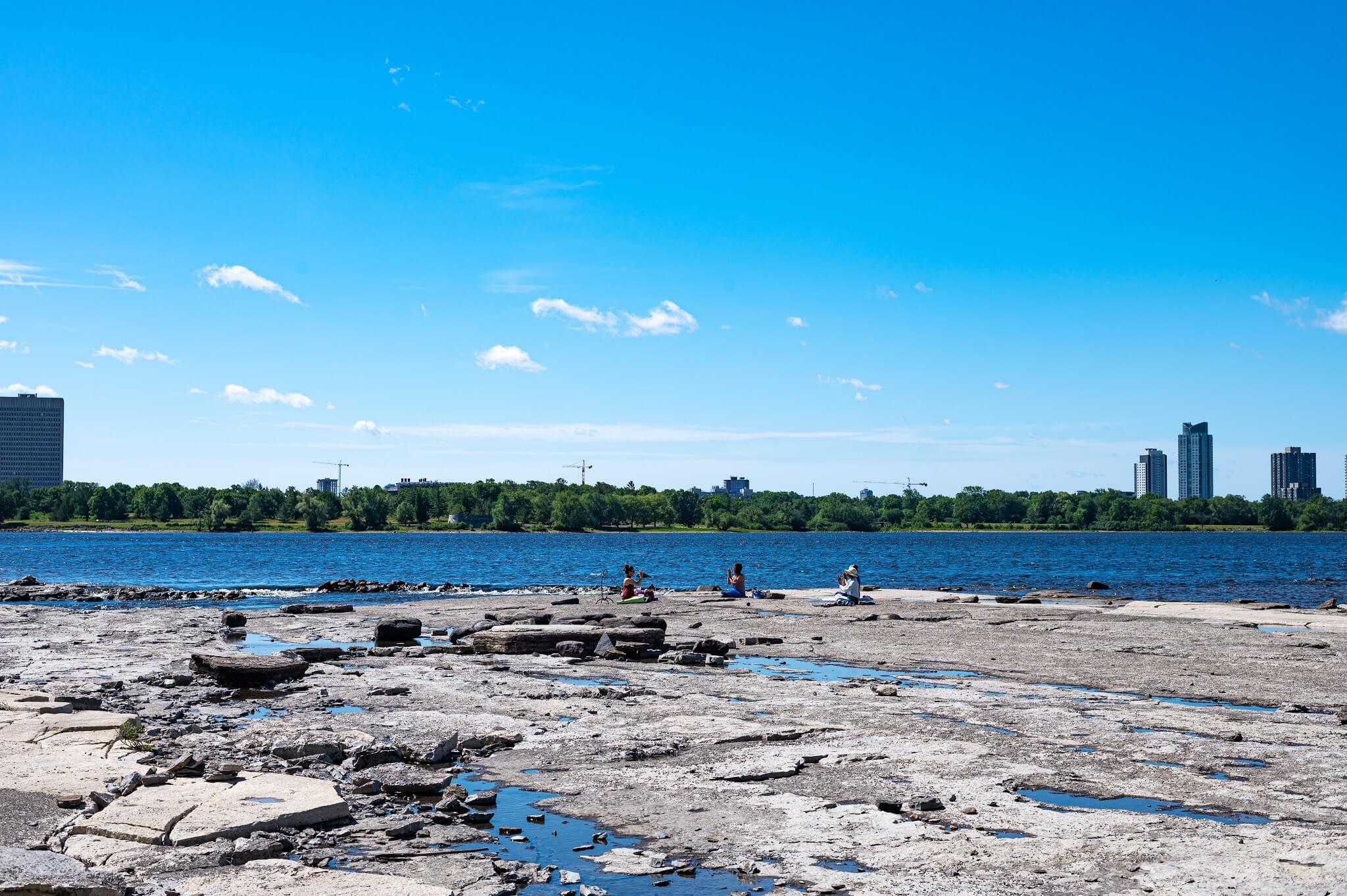
It has been a very dry spring across the Ottawa River watershed. This, coupled with an early spring snowmelt, has resulted in low water levels being observed throughout the region. While levels this low may not be new, they still have the potential to result in changes in our local freshwater ecosystems.
Why are levels so low, isn’t the Ottawa River a managed watershed?
Though it is true that dam operators have some control over the levels of water that flow through the Ottawa River and its tributaries, they only have so much. The majority of the dams in the watershed are run-of-the-river dams that provide little to no capacity for holding back water during the Spring Freshet. There are, however, a few dams, located predominantly in the northern parts of the watershed, with reservoirs providing dam operators some capacity to regulate water levels and flow. In late winter/early spring, in anticipation of high water levels associated with the Spring Freshet, dam operators draw down water levels in the reservoirs to allow them to fill with snowmelt and rain runoff, providing some protection to downstream locations while also preparing the reservoir areas for summer recreation and energy needs.
Taking a closer look at the Ottawa River, weather conditions in early Spring 2021 lead to much of the snow in the watershed to evaporate rather than melt and flow into the river. By late March, a combination of warm weather and rainfall lead to the melting of any remaining snow, raising water levels and flow, and commencing the freshet period. However, with very little rainfall in early April, water levels on the main stem of the river peaked so that just two weeks after it began, the Spring freshet was over and water levels were back to pre-freshet levels. As a consequence, most of the runoff in the northern part of the watershed was stored in the principal reservoirs, several weeks before they would be under normal conditions.
Continued dry weather throughout the Spring, and as we move into the Summer months, has resulted in very little runoff into the river. With reservoirs at their target summer levels there is no available water to be released and water levels in the majority of locations along the Ottawa River continue to be below normal for this time of year.
Has This Happened Before?
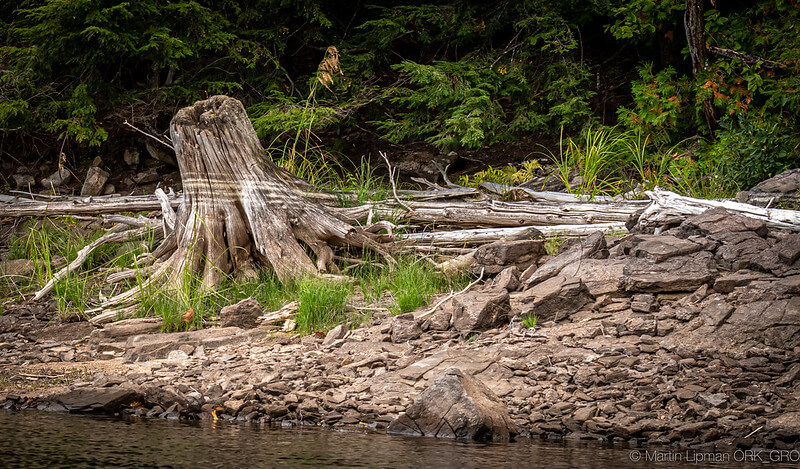
It may be hard to believe, especially in light of the catastrophic flooding events of 2017 and 2019, but current water level conditions are not unheard of. In fact, according to records maintained by the Ottawa River Regulation and Planning Board, water levels and flow in mid-May were similar to what was observed in May 2012 and are in fact higher than levels during the same time period in 2010.
That said, water levels are still well below normal and within the 25th percentile of historical levels and flow for this time of year. These low levels have even resulted in low water condition warnings in some parts of the watershed. On the Ontario side of the watershed, much of the watershed downstream of Arnprior are experiencing Minor (Level 1) Low Water/Drought Conditions (under Ontario’s Low Water Response Program). Residents in these areas are encouraged to help conserve water by limiting non-essential uses (e.g. watering lawns, washing cars, etc.)
For more information and updates over the course of the season, please visit the website for the conservation authority in your area:
- Mississippi Valley Conservation Authority
- Rideau Valley Conservation Authority
- South Nation Conservation Authority
*No similar warnings are in effect on the Quebec side of the watershed at this time.
How Might This Impact Aquatic Life?
The extent to which a given section of a river will be affected by low water levels depends on a number of factors. While aquatic life in much of the watershed may remain unaffected, low water levels may result in changes in overall conditions, particularly in more shallow and slow moving sections of the river. These changes have the potential to negatively affect the health of local species and ecosystems.
When water levels are low the Sun’s rays are better able to reach species deeper in the water column providing more energy for photosynthesis to aquatic plants and algae. Lower water levels also mean less water for the Sun to heat, meaning overall water temperatures will increase. These conditions provide the ideal growing environment for bloom forming species of algae many of which grow better and are able to outcompete other species at warmer temperatures.
Not only do warmer water temperatures contribute to increases in algal blooms, they can also have a direct effect on many fish species, and lead to lower dissolved oxygen levels in the water. As water temperatures increase its ability to hold oxygen decreases, resulting in less oxygen being available to plant and animal species that live in the water. While many species are able to tolerate these conditions to an extent, if temperatures increase or oxygen levels drop too much it can be very stressful to fish metabolism, and in some cases even result in their mortality.
Certain invasive species may also benefit from low water levels. While we often talk about how aquatic invasive species are able to take advantage of changes in water flow to aid in their dispersal and propagation, low flow and water levels also have the potential to influence the growth of some species. For example, while Eurasian Milfoil is able to grow in a wide range of conditions, it does best in shallower and calmer areas of the Ottawa River. Eurasian Milfoil will begin to grow early in the season, as soon as water temperatures are around 15ºC, however it’s optimal growth occurs at relatively high temperatures (30-35ºC). Under low water levels, conditions may be just right to promote the growth of Eurasian Milfoil and other aquatic invasive species, allowing them to outcompete native species, thus reducing overall biodiversity.
While we can’t say for sure what consequences will arise from this year’s low water levels, we can track any observable changes that may present themselves. If you happen to come across any algal blooms, or notice new or more invasive species in your section of the watershed be sure to report them to us through our Algal Bloom and Invasive Species Community Based Monitoring Programs.
And for more information on the status of water levels in the Ottawa River visit the Ottawa River Regulation and Planning Board’s website for updates on water levels and flow.
I have property on the Gatineau river just below the Paugan Falls Hydro dam. the water levels are so low this year that the sandbar which surfaces every summer is massive this year. It has exposed a lot of “close to the surface deadheads” which can be very dangerous for boaters.