
Posted: July 10, 2025
The Impact of Invasive Species on the Ottawa River Watershed
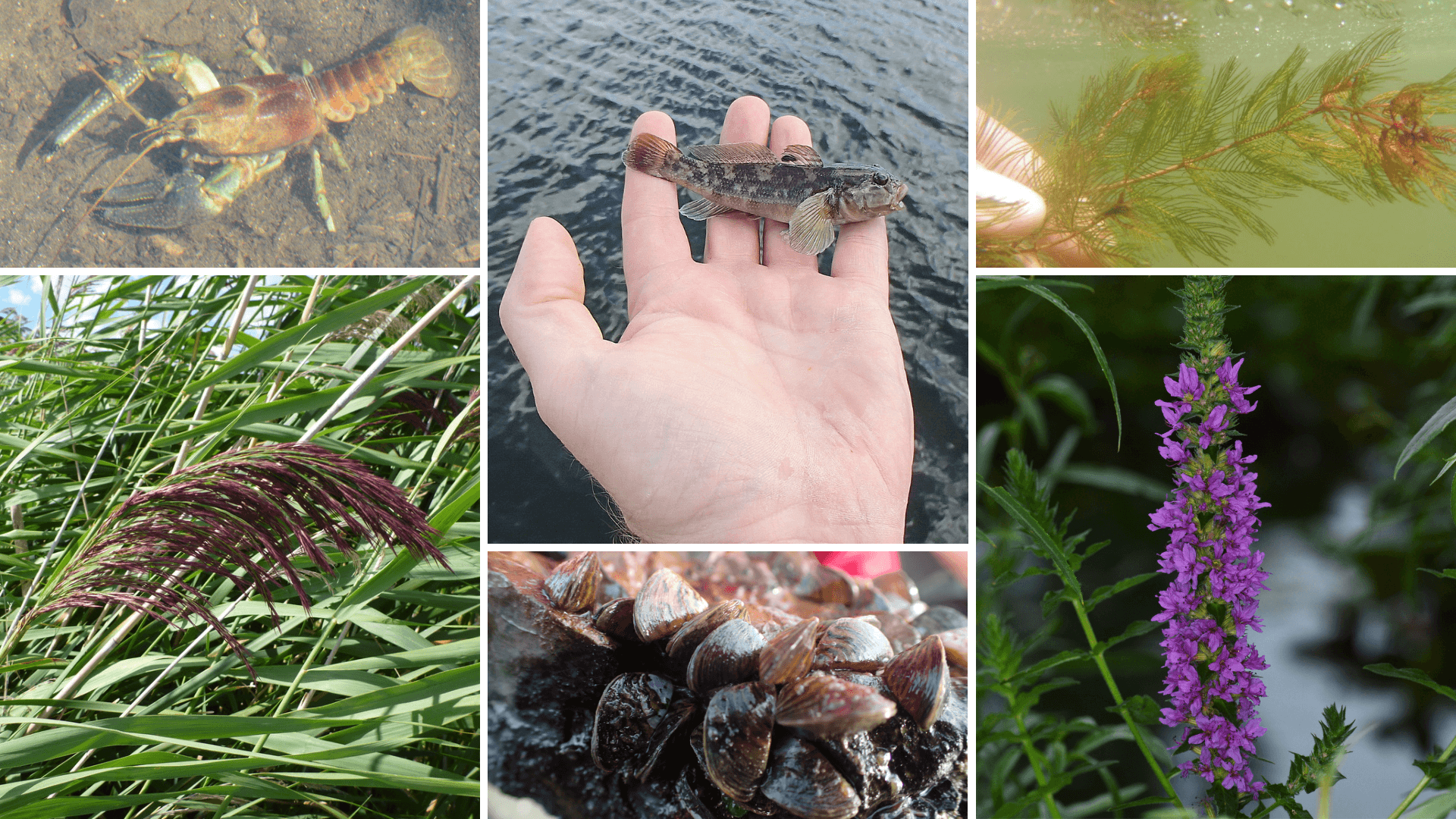
Ottawa Riverkeeper has released a detailed report on the distribution and abundance of key invasive species within the Ottawa River watershed. Alongside the report, we have launched new tools to help community scientists identify and report invasive species in their regions.
Invasive species are a threat to watershed health, and understanding their distribution and spread is key to knowing what impact they are having. Thanks to a combination of public data and community science observations, we now know more than ever where and what impact these species are having on our waterways.
However, gaps remain. That’s why we’ve also released new interactive tools to help residents learn which invasive species they should watch out for, how to identify them, and how to report them.
Stopping invasive species in their tracks
Early detection and intervention are key to preventing long-term ecological and economic impacts of invasive species. Once invasive species are established, it is nearly impossible to remove them. By working with local governments, scientists, community members, and NGOs, we can continue to monitor the spread of invasive species and advocate for mitigation solutions.
What can you do to mitigate the spread of invasive species?
Protecting the lakes and rivers in the watershed can be as easy as taking a photo and sending it to one of the platforms listed below!
Whether you enjoy walking along the shorelines, regularly paddle or swim in the rivers, or you are a local elected official who is pushing for more support for these issues, your actions provide an important contribution to early intervention and widespread coordinated action. Speak up and stay aware of these issues in your community!
Take action today!
- Learn to identify invasive species in your area: Read our Invasive Species Guide, explore the data on our Story Map, or take our Invasive Species Training Quizzes!
- Report findings to iNaturalist, Sentinelle (Quebec), or through Ottawa Riverkeeper’s Observational Monitoring Program.
- Promote biodiversity by planting native species in your garden and avoiding invasive species. Check your local Horticultural society for more information.
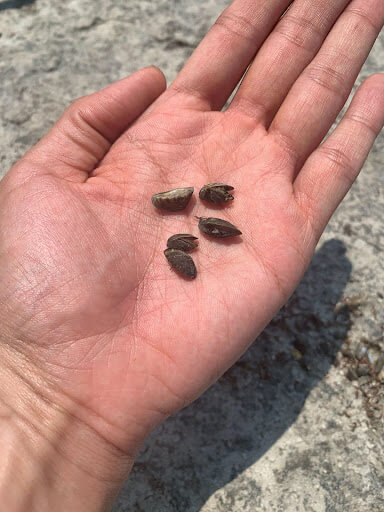
- Prevent the spread of invasive species through recreational activities by properly cleaning equipment when travelling throughout the watershed. For example, learn how to clean your boat and prevent the spread of aquatic invasive species.
- Spread the word about invasive species! Talk with your community about the importance of reporting invasive species and how to prevent their spread.
What does the data tell us about the spread of invasive species?
In order to complete our Watershed Report Card, Ottawa Riverkeeper examined available data to evaluate the health of rivers within the watershed. One of the indicators used during this assessment was Invasive Species. When completing the analysis, we discovered some interesting trends in invasive species presence and abundance. Below, we highlight a few of these findings and the key implications for the future of our watershed.
What is an invasive species?
An invasive species is a non-native plant or animal which has been brought into a new area (either intentionally or unintentionally). Invasive species can be introduced and spread through many different mechanisms. A common way that invasive species are spread is by catching a ride on boats that move to new areas. This can range from large tankers introducing species from across the oceans, to small motor crafts or kayaks moving from lake to lake. Other human activities like gardening, hiking, and fishing also contribute to the spread.
What are the negative impacts of invasive species?
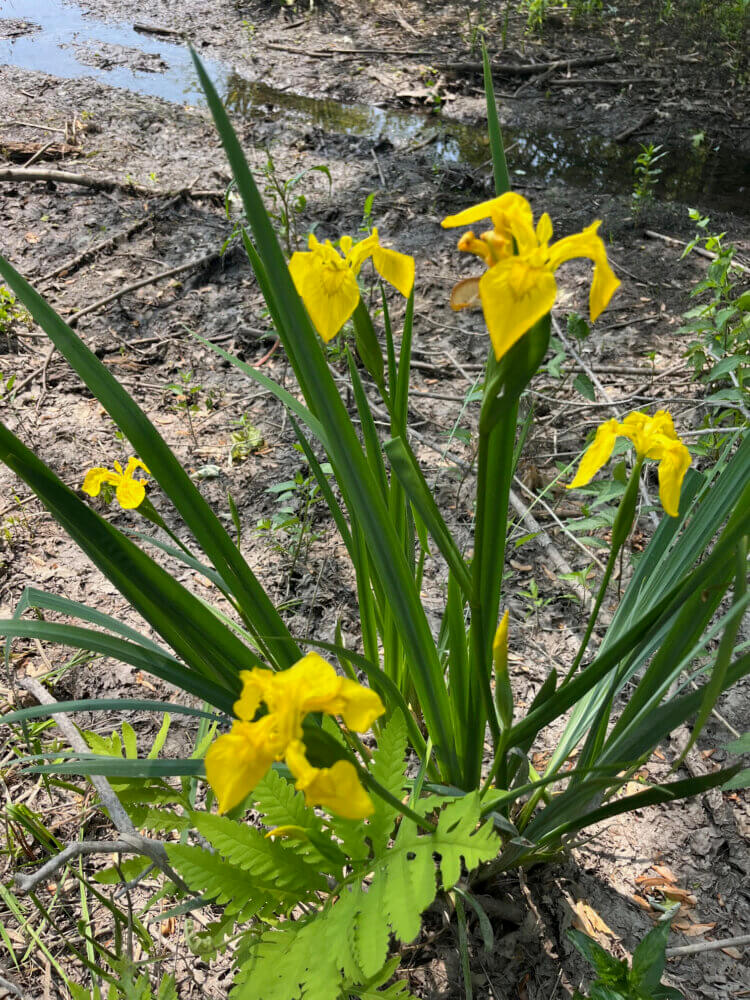
The presence of invasive species has many negative effects on local ecosystems. For instance, invasive species tend to be more aggressive (combatively or reproduce faster) and will outcompete native species for resources (food and space), reducing the health and population sizes of native species. Over time, the introduction of an invasive species can lead to a reduction in biodiversity, resulting in fewer native plant and animal species present in an area. For example, the yellow iris can grow and take over entire lakeshores. Though these flowers are beautiful when in bloom, the loss of native shoreline plants has devastating effects on the local ecosystem. Invasive species can also wreak havoc on urban infrastructure. For example, once established, zebra mussels can create large colonies on the undersides of decks, boats, and on water intake pipes. If not removed promptly, they can impact the integrity of these structures.
The best way to tackle the invasive species problem is through prevention and early detection. Once established, invasive species are very difficult to control, and the cost of removal increases significantly. Reporting invasive species is crucial to invasive species management. By understanding the threat that invasive species pose, we can help protect the watershed for future generations.
Looking at the data
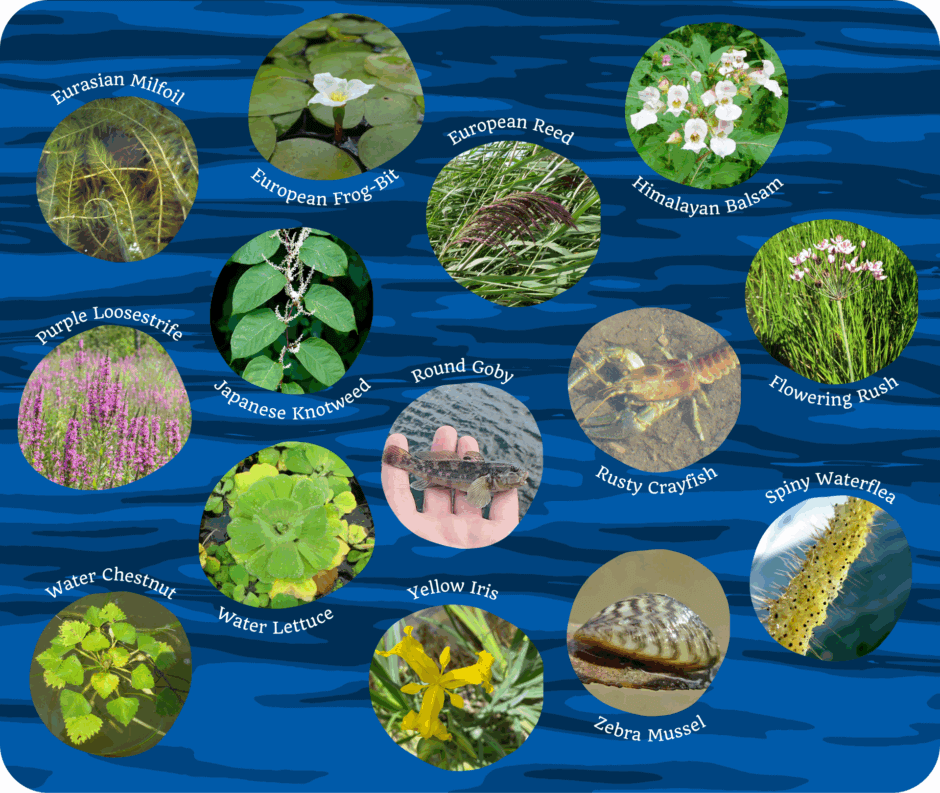
Using data collected from community scientists (iNaturalist [1], EDDMapS [2], Ottawa Riverkeeper’s Invasive Species Community-Based Monitoring Program [4]), and Quebec’s Ministry of Environment [3], Ottawa Riverkeeper concluded that invasive species are widespread throughout the Ottawa River watershed, with higher concentrations and number of species reported in the southern regions.
Between 1932-2024, 10,250 observations of invasive species were made in the Ottawa River watershed. During this period, the vast majority of data came from the southern subwatersheds, where higher population density and urban centers likely contributed to increased reporting. Within the past five years, there has been an increase in reports within the watershed. Though the range of reported observations has increased more recently, information remains sparse for the northern regions. This part of the watershed is vulnerable to the introduction of invasive species due to high levels of recreational activity in these areas. Invasive species may be present in greater numbers than reported, but improved data collection is needed to understand their presence and distribution. An increase in awareness initiatives and community reporting is required to better understand which invasive species may be present in northern regions.

Figure 1. Observations for Invasive Species of interest in the Ottawa River watershed. The darker red dots represent greater numbers of reports, and the light pink dots represent lower numbers of reports.
Within the watershed, Purple Loosestrife was the most frequently reported invasive species, making up nearly 35% of all observations. This might raise the question: Why is Purple Loosestrife reported so much more often than other invasive species? Is it actually more abundant? Our answer: not necessarily. Purple Loosestrife is relatively easy to identify and is commonly featured in outreach and educational materials. As a result, it’s more likely to be recognized and reported by observers, which can lead to its overrepresentation in the data.
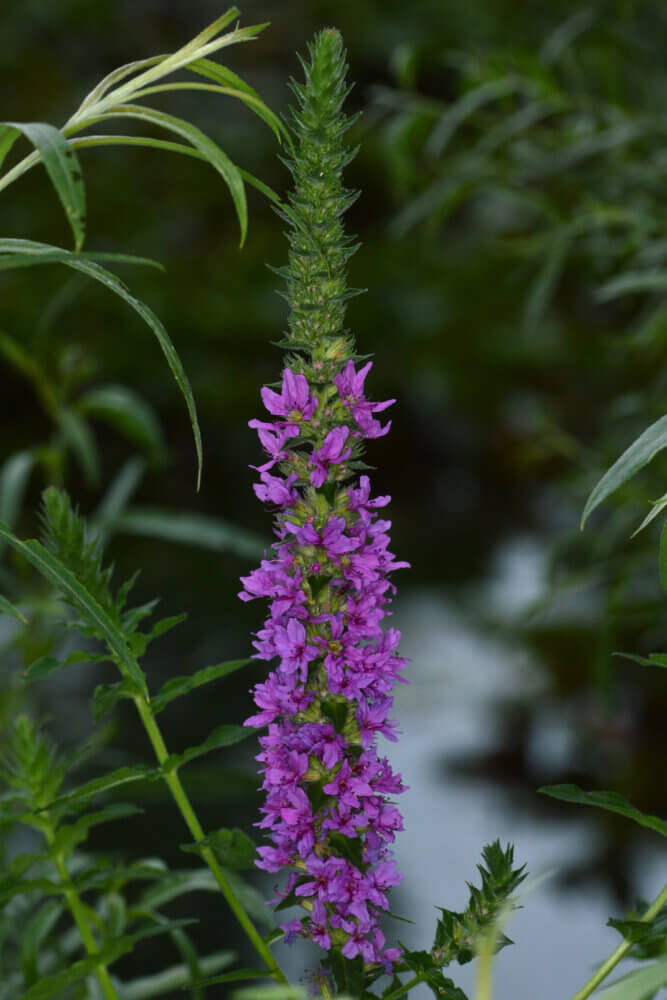
Photo: Ryan Hodnett
In contrast, other invasive species, such as the Spiny Waterflea and Rusty Crayfish, are harder to detect and identify, and may be significantly underreported. Improving the reporting of less frequently observed invasive species is key to gaining a more accurate picture of their presence and distribution across the watershed.

Figure 2. Number of observations for Invasive Species of interest in the Ottawa River watershed.
For more detailed information on invasive species, please refer to our full report available on Ottawa Riverkeeper’s Open Data Portal. You can also review our Watershed Report Card for more information on the health of the Ottawa River watershed.
References:
[1]. https://inaturalist.ca/home
[2]. Early Detection Distribution Mapping System (EDDMaps), https://www.eddmaps.org/
[3]. https://www.environnement.gouv.qc.ca/biodiversite/especes-exotiques-envahissantes/index.asp
[4]. https://ottawa-riverkeeper-open-data-ork-so.hub.arcgis.com/datasets/ottawa-riverkeeper-invasive-species-data/explore
Images in cover (clockwise from top left): Ryan Hodnett, Peter vanderSluijs, Invasive Species Centre, Ryan Hodnett, Bj Schoenmakers, Matt Keevil
I’m interested in ways of removal of Euthanasia Milfoil. I have been able to identify it for a while, but need more information on reducing the spread from one area of the lake to another.