
Posted: August 15, 2023
The Carillon Dam needs an eel ladder
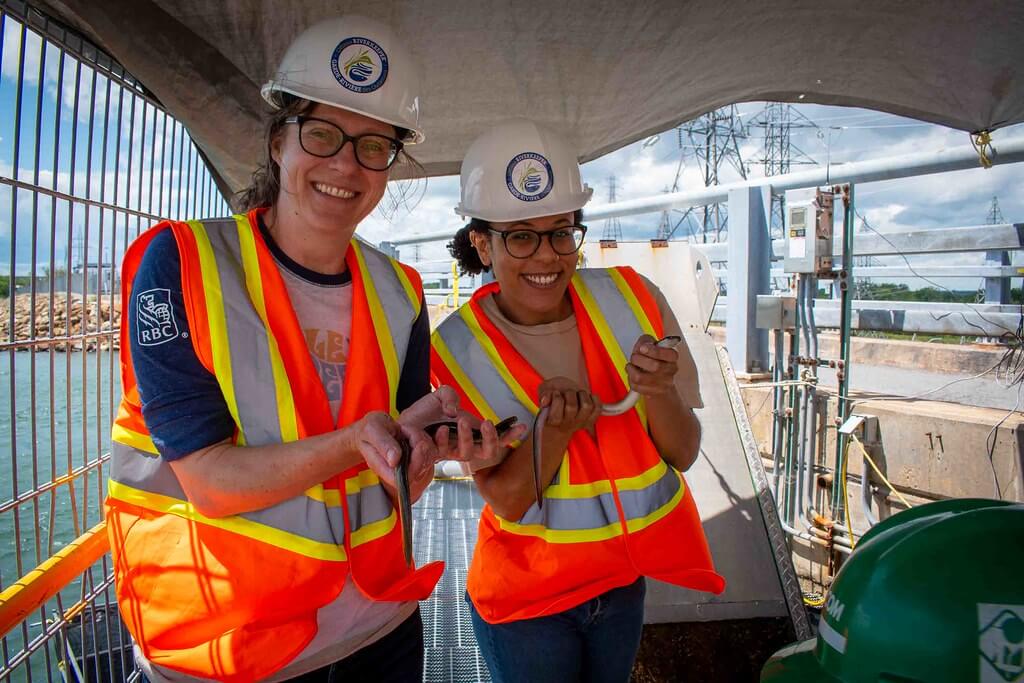
The Carillon Dam presents the first and largest obstacle to the migration of the American eel into the Ottawa River watershed. Other dams have created eel ladders to enable this vulnerable fish species to migrate upstream, and it is time for Carillon to do the same.
In 2021, Ottawa Riverkeeper launched a campaign to advocate for the addition of an eel ladder at the Carillon Dam in order to help protect the American eel. This ecologically and culturally significant fish species is listed as endangered in Ontario, but is not considered endangered in Quebec, and remains unlisted by Fisheries and Oceans Canada, despite a 99% decline in its population in our watershed since the construction of dams which blocked its migration path. We want to see this fascinating and iconic species return to our watershed!
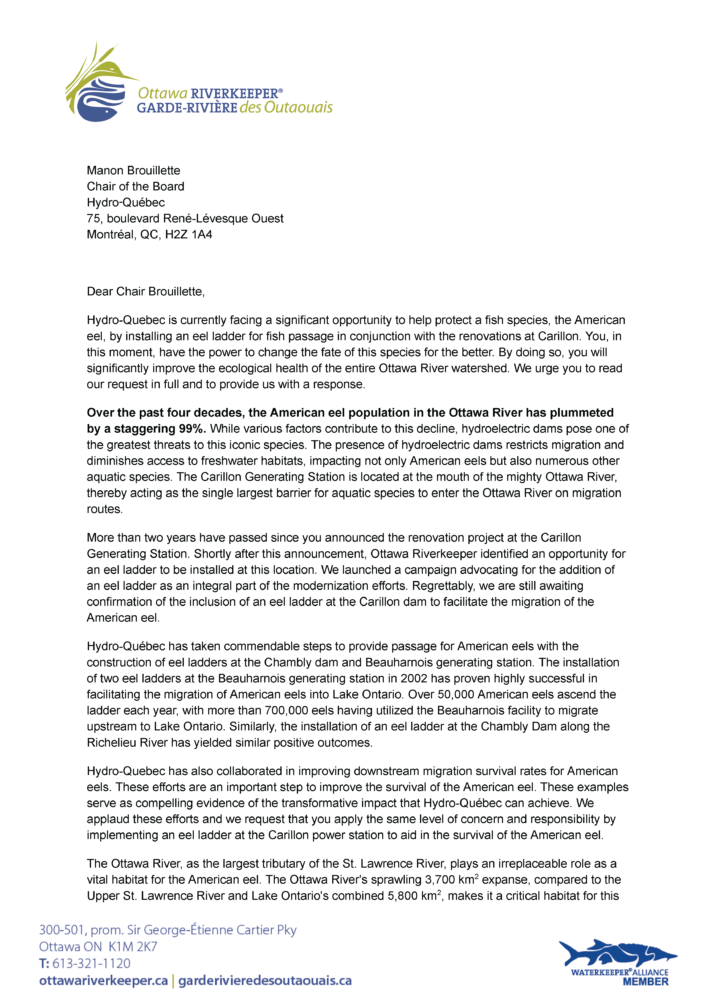
Today, in line with our campaign from 2021, Ottawa Riverkeeper formally sent an open letter to the board of Hydro Quebec officially asking them to include an eel ladder as part of their $750 million renovation project at the Carillon facility.
Eel ladders in action
Eel ladders work, and are essential to the survival of the American eel. These specially designed passages are particularly important for eels since they enable them to overcome physical barriers and ensure their safe migration. They are not a new or unknown technology and are used at many dams and generating facilities in Canada, the US, and around the world. For instance, one has already been implemented at the Portage Power facility at Chaudière Falls on the Ottawa River, enabling safe passage for eels to travel upstream of the City of Ottawa, even though eels rarely make it that far due to the impediment of the Carillon Dam.
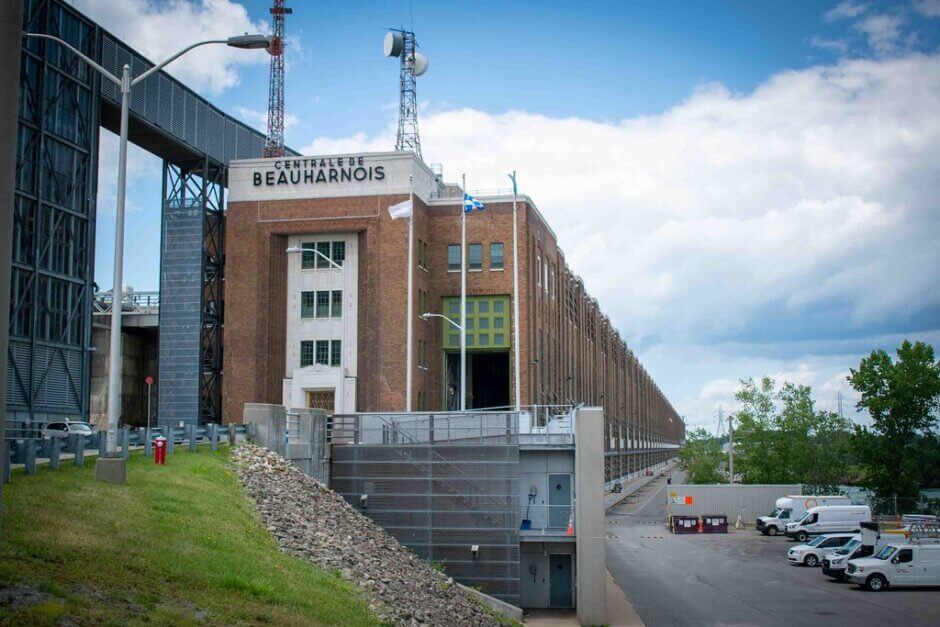
Hydro Quebec is also familiar with the technology, using them at dams on other river systems. To see a positive example of how an eel ladder could greatly improve the success of American eels, look no further than the installation of two eel passes at Hydro Quebec’s Beauharnois generating station in 2002. These eel ladders greatly facilitated the migration of American eels to Lake Ontario. To this day, more than 700,000 eels have used the ladders at the Beauharnois facility to migrate upstream to Lake Ontario, with more than 50,000 American eels having been observed ascending the ladder annually.
Ottawa Riverkeeper’s visit to Beauharnois
In the summer of 2022, Ottawa Riverkeeper staff had the chance to visit the eel ladders at the Beauharnois facility during the American eel migration season. The infrastructure was truly impressive, giving a clear example of the excellent work Hydro Quebec has done at that facility to support the migration of this amazing species.
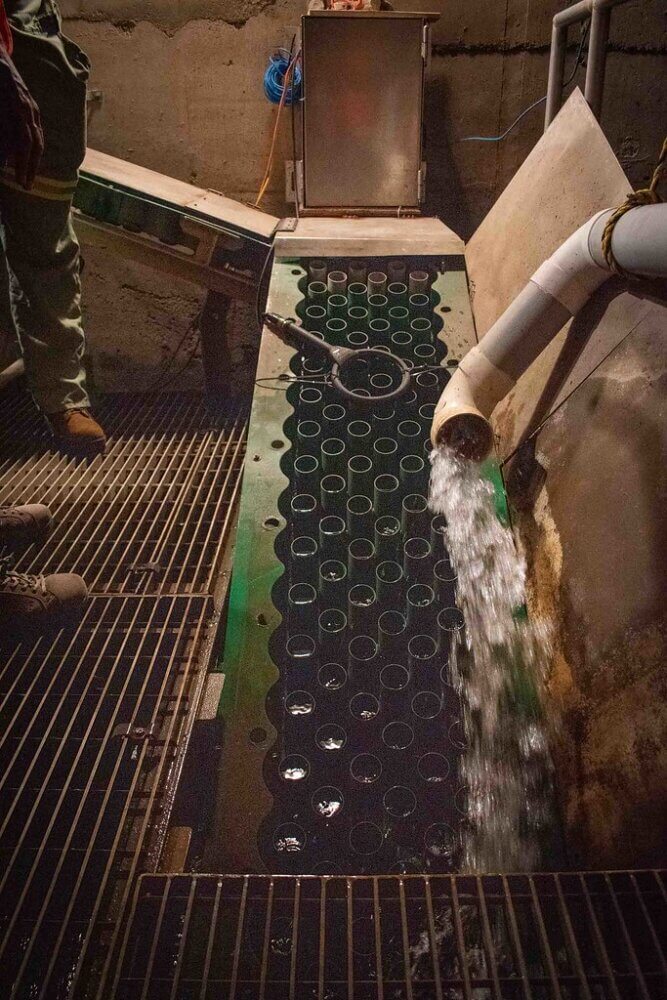
Eel ladders work by providing a current down a slope covered in pegs, such that the eels can easily climb up the passage while remaining in flowing water. The technology has been improved over the years, through experimentation into the types of environments that will convince eels to use the passage. For example, eels migrate at night, so the ladders must be covered and remain in darkness for the fish to use it. Hydro Quebec’s biologist presented all the work and research that had gone into finding the ideal conditions to encourage eel migration over dams and generating facilities.
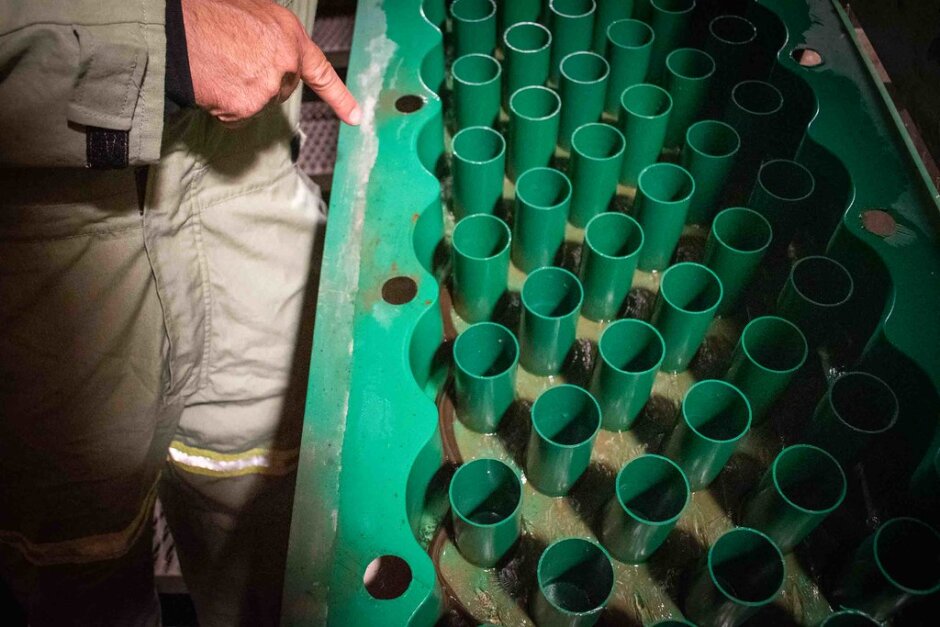
It was easy to see how this work could be applied to the facility at Carillon, enabling a similar mass migration of American eels back into the Ottawa River watershed, a part of their historical range they have been almost entirely denied access to for many decades.
While visiting the facility, we also learned about the research being conducted into mitigating risks with the downstream migration of eels. As eels migrate back to the ocean, a number will suffer casualties when they are struck by turbines, increasing eel mortality rate. Eel ladders are designed to allow upstream migration only, and as a result, Hydro Quebec and other companies have been conducting research on how to reduce the eel mortality rate when this species travels downstream. This research is important, but should not delay the resolution of issues associated with upstream migration. Eels take around 25 years to mature, and companies would have that long to address downstream migration concerns before eels that crossed using new ladders installed today would be impacted.
Status of the American eel in the Ottawa River
The American eel is known as Pimisi in Anishinaabemowin and it was once the most abundant fish in the Ottawa River. This important fish remains culturally significant to Anishinābeg Algonquin communities, but sadly the Ottawa River population of this species has collapsed by 99% due to dams blocking their migration paths and overfishing. Members of Algonquin and other Indigenous communities have been sounding the alarm over the disappearance of this species for many years, and working to raise awareness of the threats it faces.
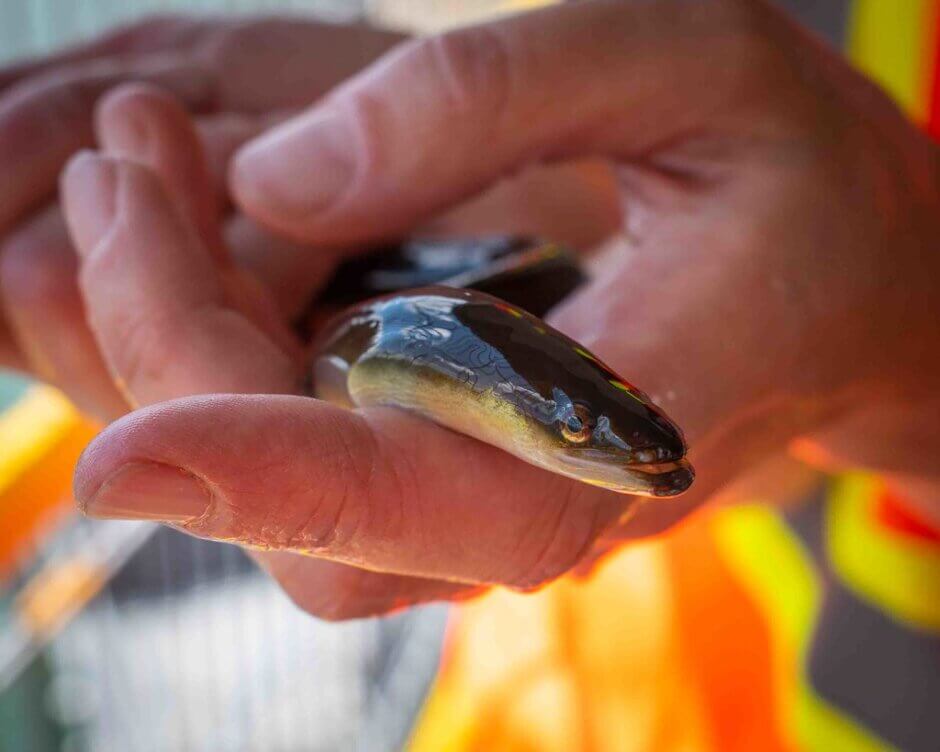
The government of Ontario has listed the American eel as an endangered species and has consequently released an American eel recovery strategy with the goal to re-establish American eels in a wide variety of waters throughout its historical range in Ontario. In their recovery strategy, they mentioned eel ladders as means of supporting American eel abundance and ensuring their safe return to Ontario.
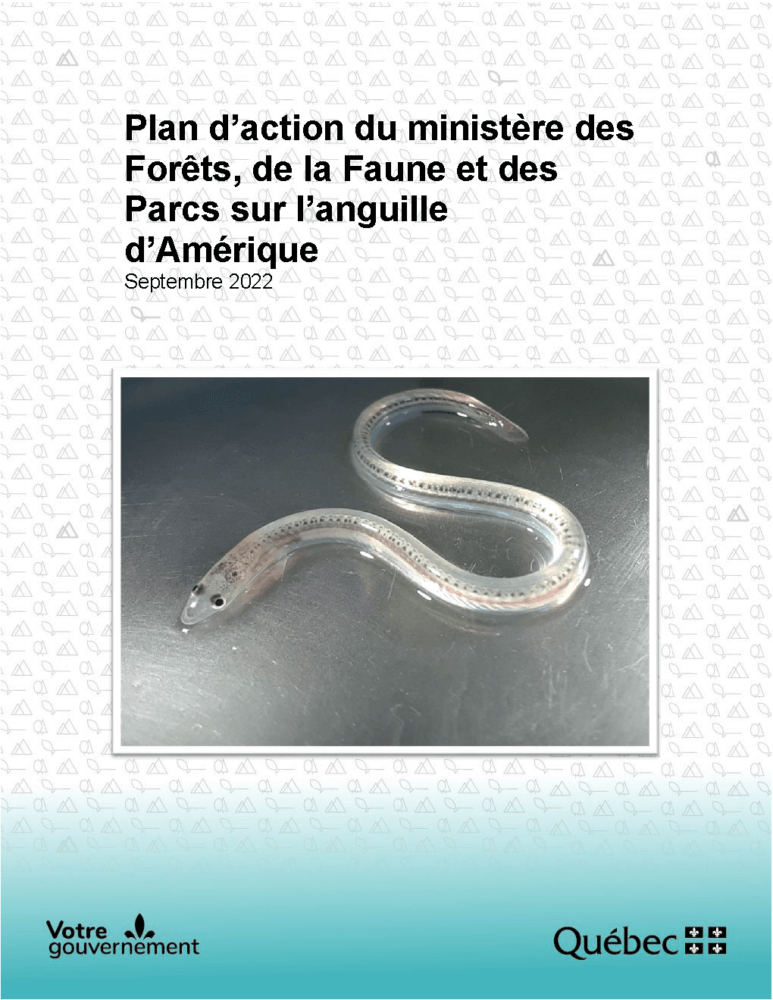
Similarly, the government of Quebec has developed an American eel action plan which presents strategies they intend to pursue and undertake to reduce the decline of American eels in the years to come. The action plan also includes the installation of eel ladders to facilitate the eel’s return to habitats that are currently inaccessible due to the fragmentation of waterways.
We are expecting Hydro Quebec to release its own eel strategy in 2024. The purpose of our open letter to Hydro Quebec is to urge them to install an eel ladder at Carillon as an important element of the strategy, alongside other critical protective measures to preserve this species.
My company specializes in Fish Passage technologies, including eel ladders. Hydro Ottawa’s Chaudière falls facilities eel passage for example was done by my organization. We have also been conducting American Eel monitoring for a decade on the Ottawa River, I have been lucky enough to hold them in my hands. Transporting adults when needed past the Carillon dam so they can make it to the Sargasso Sea. Just essentially wanted to connect and say great work advocating and if we can help support in any way, don’t hesitate to connect with us. 🙂
Hi Stephanie, thanks for reaching out to us! Your work is really interesting, and we’d love to connect. Our team working on this issue will be in touch!
Maybe a letter the citizens of Quebec can sign in support of an eel ladder. Shouldn’t be that different for the Quebec government to implement.
Amazing work, you guys. Need to advertise more so people learn of your amazing work.