
Invasive Species Monitoring
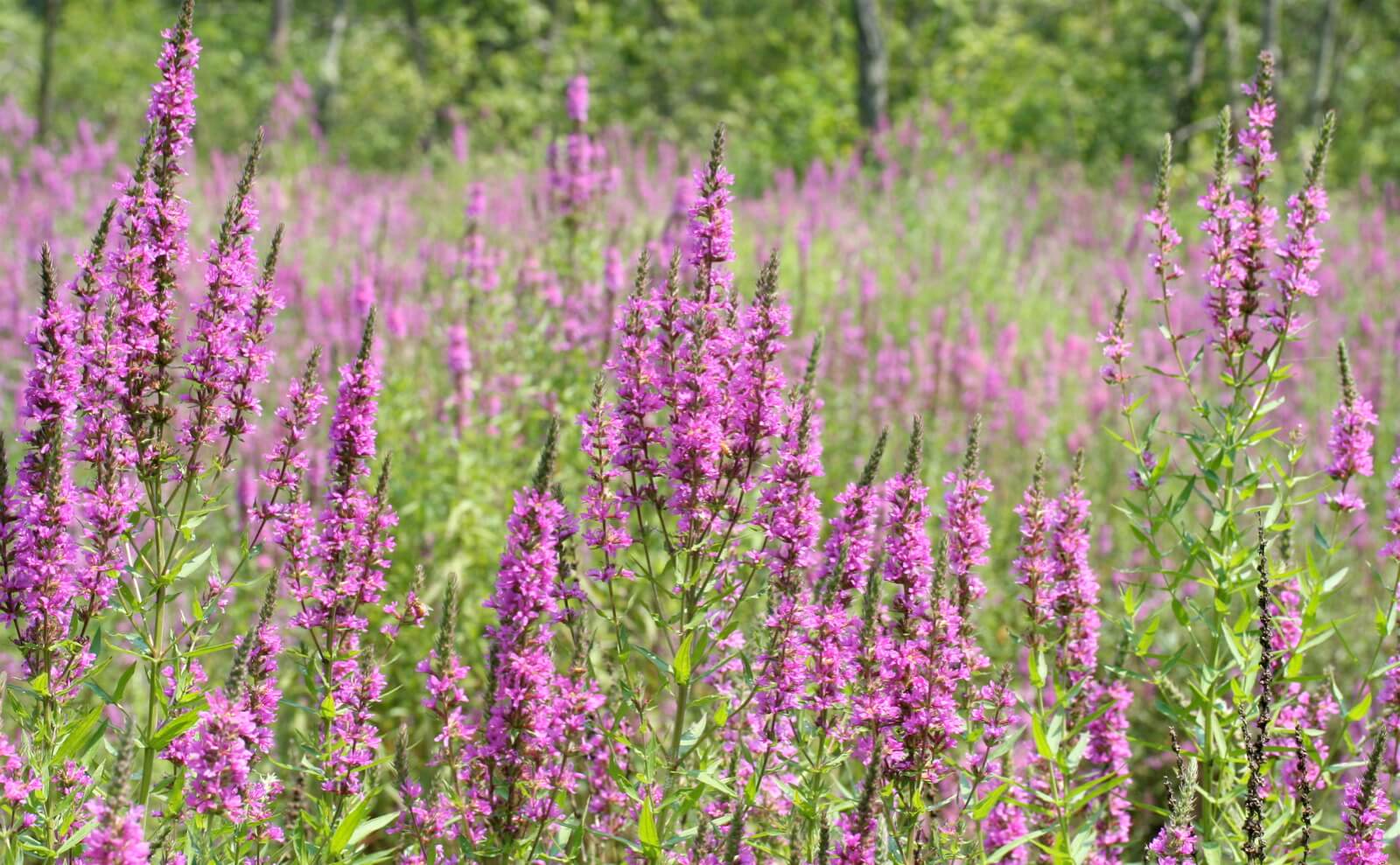
Invasive species are a threat to our watershed. Whether carried over inadvertently on ships or introduced by plant enthusiasts looking to create exotic gardens, the majority of invasive species found in the Ottawa River watershed get here because of human activity.

This monitoring project relates to an indicator in our Watershed Health and Monitoring Initiative. Learn more about this indicator here.
The effects and impacts of invasive species on the environment can vary. While some may be able to fill ecological niches that were previously unoccupied by native species, resulting in minimal impacts, others have been known to outcompete native species to such an extent that they deplete resources and completely reshape entire ecosystems.
Invaders can show up in new parts of the watershed without warning and quickly take over a given area. Given the myriad ways in which invasive species can be introduced and spread it can be quite a challenge to track their occurrence. Although some initiatives have been put in place to monitor invasive species, data for the Ottawa River watershed is still limited.
Invasive species are an indicator of watershed health that can easily be tracked by Citizen Scientists. Our Invasive Species Community Based Monitoring project is an open call for sightings of invasive species known to occur in, or to be encroaching on the Ottawa River watershed. Your submissions to this project will help us better track the occurrence of invasive species throughout the watershed and to monitor their effects on ecosystem health.
Use our guide to identify common invasive species in our watershed.
Submit an observation:
Participating in our Invasive Species Community Based Monitoring project is as easy as 1-2-3:
- Identified an invasive species? Snap a photo!
- Where did you spot it? Make note of your GPS location
- Submit your identification, along with photo and GPS coordinates, using our online form or on either of the two popular Citizen Scientist apps: WaterRangers or iNaturalist!
If you choose to use Water Rangers or iNaturalist you can also join our project groups. While you don’t need to join either group for us to receive your submission, it’s highly encouraged. Having trouble joining our groups? Send us an email at CBM@ottawariverkeeper.ca and we can help you get set up.
Need Help Identifying Invasive Species?
To help in your search for invasive species Ottawa Riverkeeper has put together a short list of aquatic invasive species that have been increasingly identified throughout the watershed. Aquatic invasive species are a particular threat as they are easily transported on boats and other watercraft, quickly spreading throughout the watershed. For example, driving motorized boats through weedy patches of invasive species like eurasian milfoil can accelerate its spread, with tiny fragments of the plant establishing themselves in new locations.
Be sure to keep an eye out for these species when out on the water or near the shore, and check out our sustainable boat guide for tips on how to avoid inadvertently spreading invasive species when boating.
- Zebra Mussels
- Purple Loosestrife
- Eurasion Milfoil
- European Frog-bit
- Round Goby
- Rusty Crayfish
- Japanese Knotweed
- Spiny Waterflea
- Invasive Phragmites
- European Water Chestnut
- Yellow Iris
- Water Lettuce
- Himalyan Balsam
- Yellow Floating Heart
- Flowering Rush
Did you know that some invasive species can be harmful to humans as well as the environment? Species like giant hogweed and wild parsnip produce a toxic sap, which can cause blisters and burns if they come into contact with skin.
With so many species living in our watershed it can sometimes be a challenge to know which species are in fact invaders. Luckily Ottawa Riverkeeper isn’t the only group interested in tracking the spread of invasive species.
For example, Ontario’s Invading Species Awareness Program website is a great resource. Managed by the Ontario Federation of Anglers and Hunters, and in partnership with the Ontario Ministry of the Environment, the Invading Species Awareness program aims to address the increasing threats posed by invasive species in Ontario through education and awareness. Some Invading Species Awareness Program resources useful for identifying invasive species in our watershed include:
- Invasive Aquatic Plants – A Quick Reference Guide
- Invasive Terrestrial Plants – A Quick Reference Guide
- Invasive Fish – A Quick Reference Guide
Similarly, in Quebec, the Conseil québécois des espèces exotiques envahissantes (CQEEE) provide resources to help you identify invasive species known to occur in Quebec, as well as information related to regulations surrounding their management.
The Quebec Ministry of the Environment’s Sentinelle App (accessible as both a mobile app and on desktop) provides descriptions of invasive species commonly found in Quebec.
So You’ve Found an Invasive Species – Now What?
Since invasive species shouldn’t be present in the watershed to begin with, you may be asking yourself if you should remove any that you come across while monitoring. The answer to this question is yes, but there are some important considerations to keep in mind:
First and foremost is your own health and safety. Some invasive plant species like Giant Hogweed and Wild Parsnip produce toxic saps that can cause painful chemical burns if they come in contact with exposed skin. Not only that, but in some cases exposure to the sap of Giant Hogweed can even result in long term dermatological effects. To avoid possible injury it is best to not touch these species without proper protective equipment. You can also consider reporting observations of such species to your local municipality as many have programs targeting these species.
Since many invasive plant species readily propagate from very small fragments, if you are going to remove them it is important to be sure to remove the entire plant, roots and all. Additionally, it’s important to make sure plant material ends up in the garbage and not the compost or garden waste where it risks further spreading.
While the province of Ontario does have some regulations pertaining to the removal of plant material from the Ottawa River shoreline, in most cases no permits are required when removing invasive species. For more information on which species are permissible for removal without a permit, and guidance for how to do so, please consult the Ontario Ministry of Natural Resources’s website. No permits are required for the removal of shoreline invasive species in Quebec.
Looking for more ways to get involved?
If you’re looking to get your hands dirty, you can help us monitor invasive species like Zebra Mussels and invasive aquatic snails by participating in our Zebra Mussel Monitoring project. To participate in this project you will need to have regular access to the water and/or a dock between the months of July and September. For more information, or if you’re interested in participating, please email CBM@ottawariverkeeper.ca with the subject line: “Zebra Mussel Monitoring”.