
Posted: July 28, 2022
Behind the Scenes: Water Quality Monitoring at Ottawa Riverkeeper!
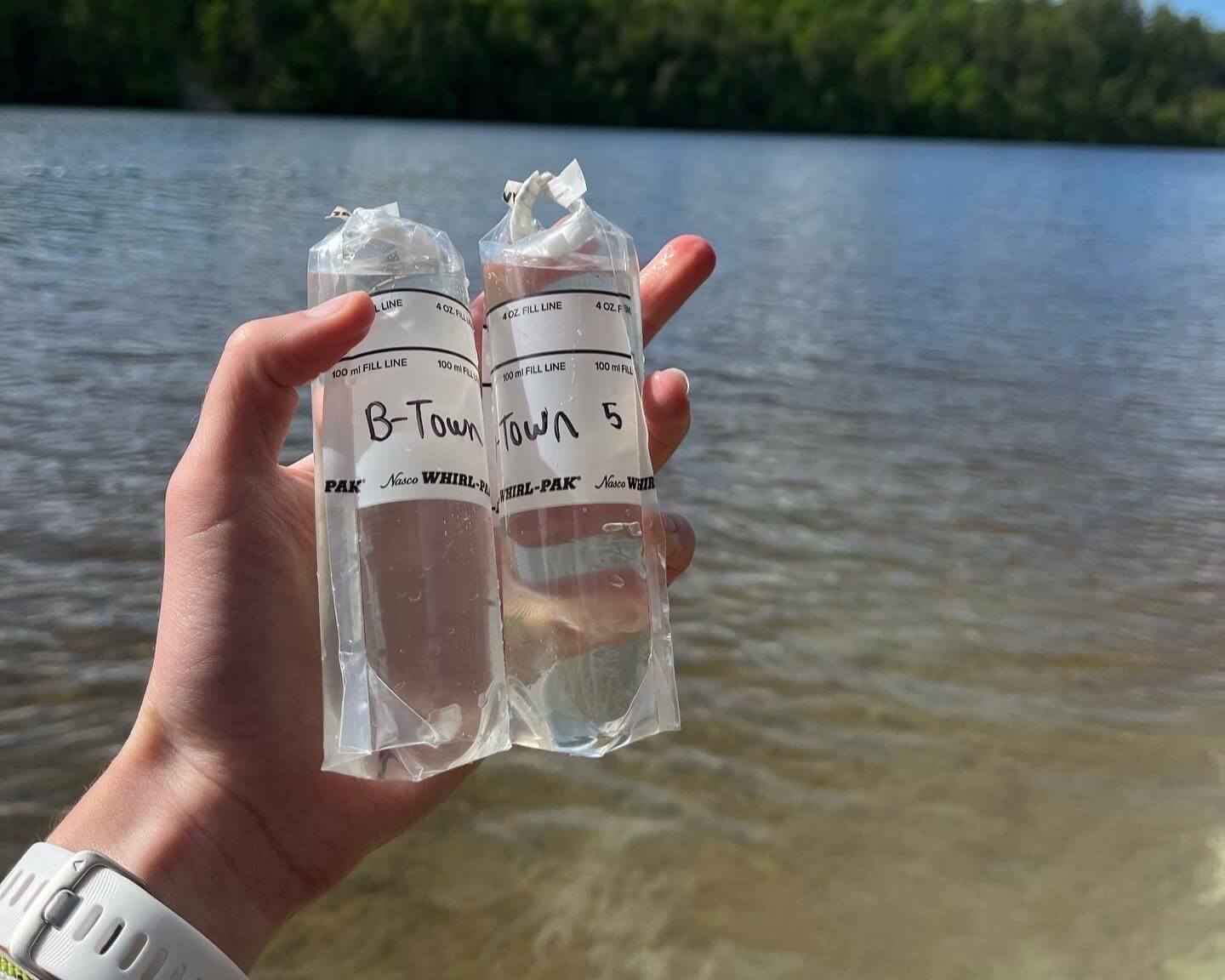
As the summer comes into full swing, so does Ottawa Riverkeeper’s recreational water quality monitoring program. This program involves monitoring E. Coli levels in water at local beaches, in order to promote public safety and warn of swimming advisories when applicable.
Keeping track of E. Coli levels at beaches and boating sites is crucial, because if levels climb too high E. Coli can pose a risk to public safety, as they can make us very sick if ingested.
E. Coli is a specific type of coliform bacteria, an umbrella term that describes all types of bacteria present in the intestinal and digestive tracts of many animals. The presence of coliform bacteria in water can often indicate fecal contamination. We are particularly concerned about E. Coli as it is pathogenic, meaning it can make people sick if exposed to elevated concentrations; This is one thing that differentiates E. Coli from other coliform bacteria.
High levels of E. Coli are more likely to be of concern under the following circumstances:
- Following heavy rainfall events
- When there is elevated bird activity near water
- During combined sewer overflow events
How does the water quality monitoring process work at Ottawa Riverkeeper?
The first step to the water quality monitoring program is to actually collect the samples.
This involves visiting beaches, campgrounds, parks, docks and other spots where water is used recreationally, and collecting 5 evenly spaced, 1m deep samples of approximately 100mL.
Once collected, these samples are returned to the Ottawa Riverkeeper office where we have all of the necessary equipment to perform the E. Coli analysis in-house.
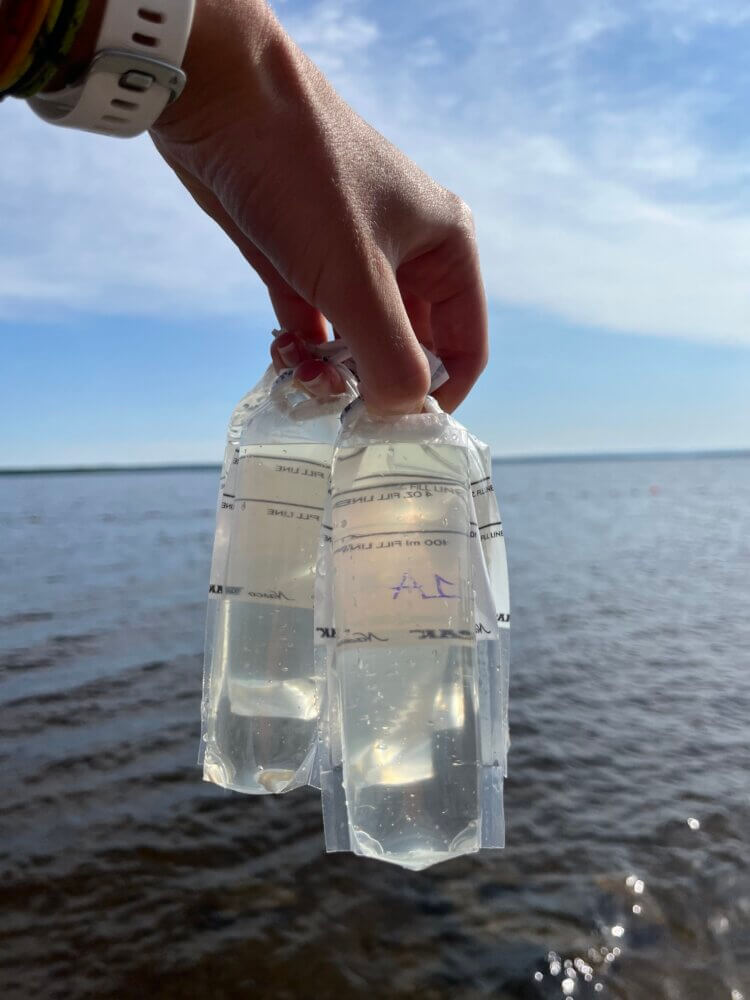
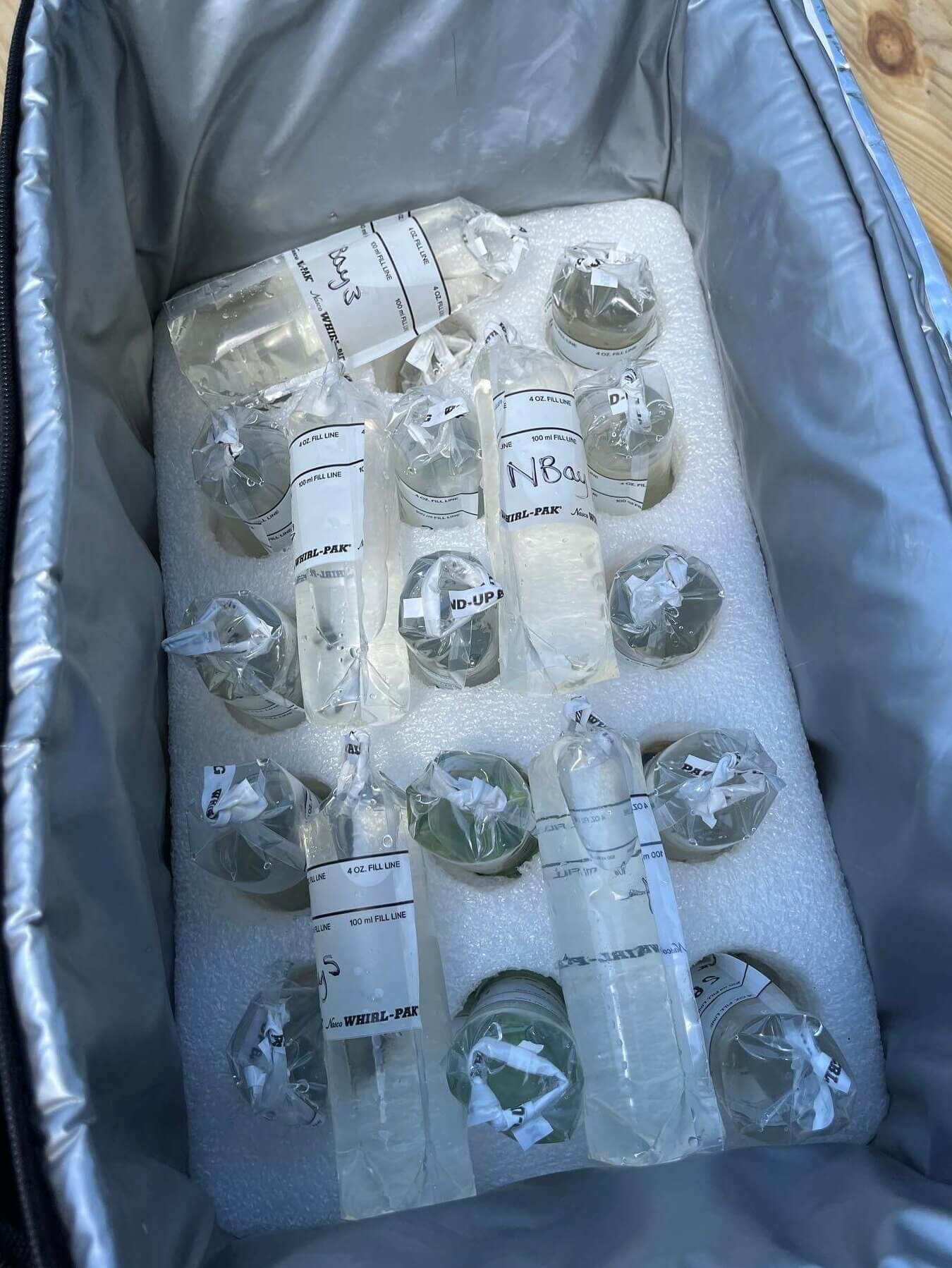
When in transit, samples must be kept as cool as possible. This helps mimic the ambient water temperature from the source where the water was taken, and prevents further bacterial growth while in transit.
Back at the office, it’s time for the analysis process. The first step is to add 1 packet of colilert reagent to each 100mL sample of water. Once dissolved, the solution can be poured into the wells of an IDEXX tray and sealed using the IDEXX machine. From there, all trays must be placed in the incubator for 24 hours!
Once the 24 hours have passed we can begin reading the results. Many previously clear and colourless wells will have turned yellow following the incubation. This observation confirms the presence of coliform bacteria in general (any bacteria originating from the intestinal/digestive tract).
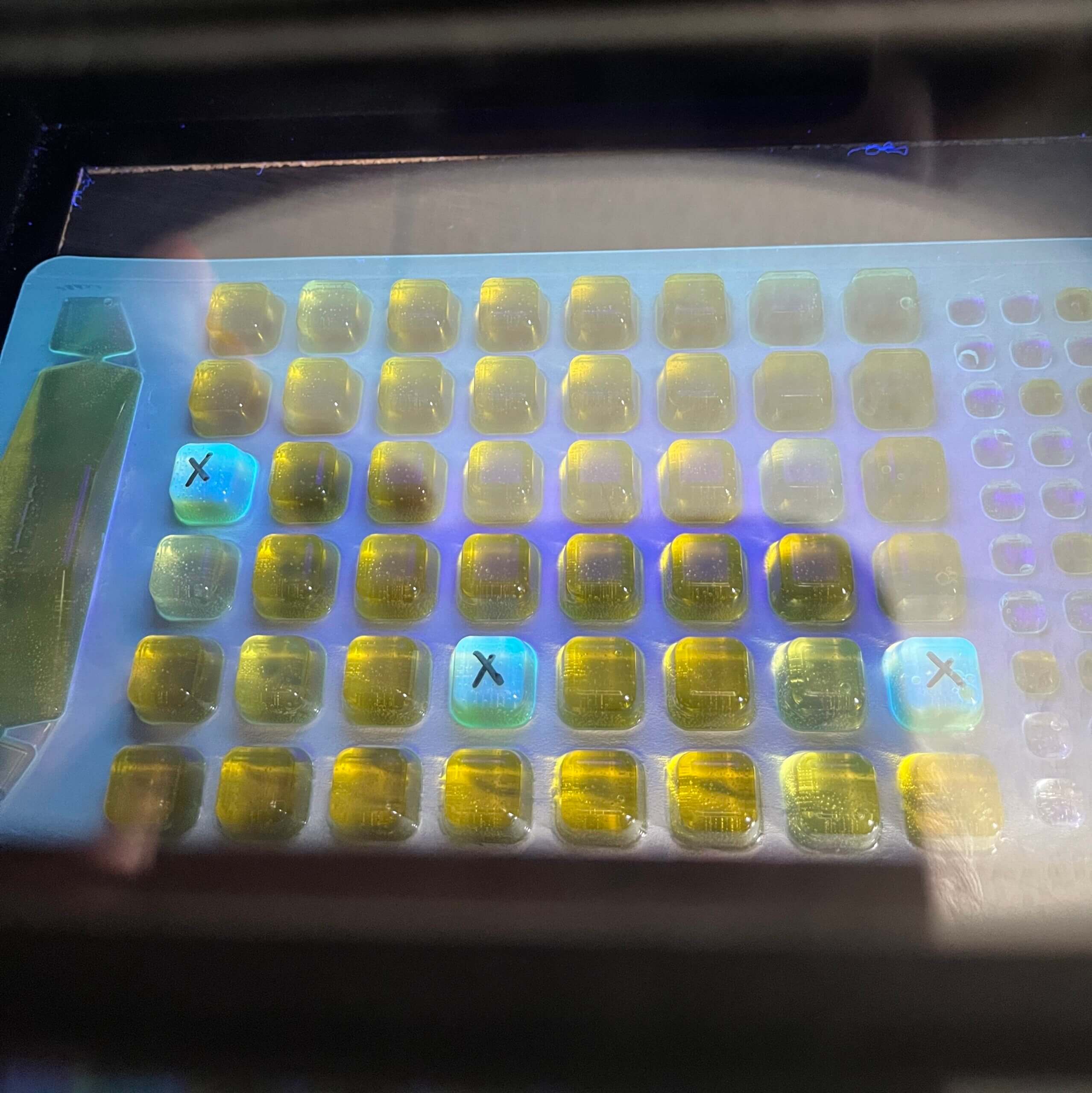
To analyse the actual E. Coli content within each sample, the trays are then placed under a UV light. This is because E. Coli positive wells will fluoresce under the UV light, while E. Coli negative wells will remain dark/unchanged. By counting the amount of glowing wells and comparing this to the ‘Most Probable Number’ chart, the amount of E. Coli within the sample can be determined.
The most probable number chart is a method often used for water quality testing and is an easy way to estimate bacterial concentrations in a sample. It allows us to determine the amount of viable (living) bacterial cells or colony forming units (CFU). Essentially this tells us how many potential E. Coli cells we have.

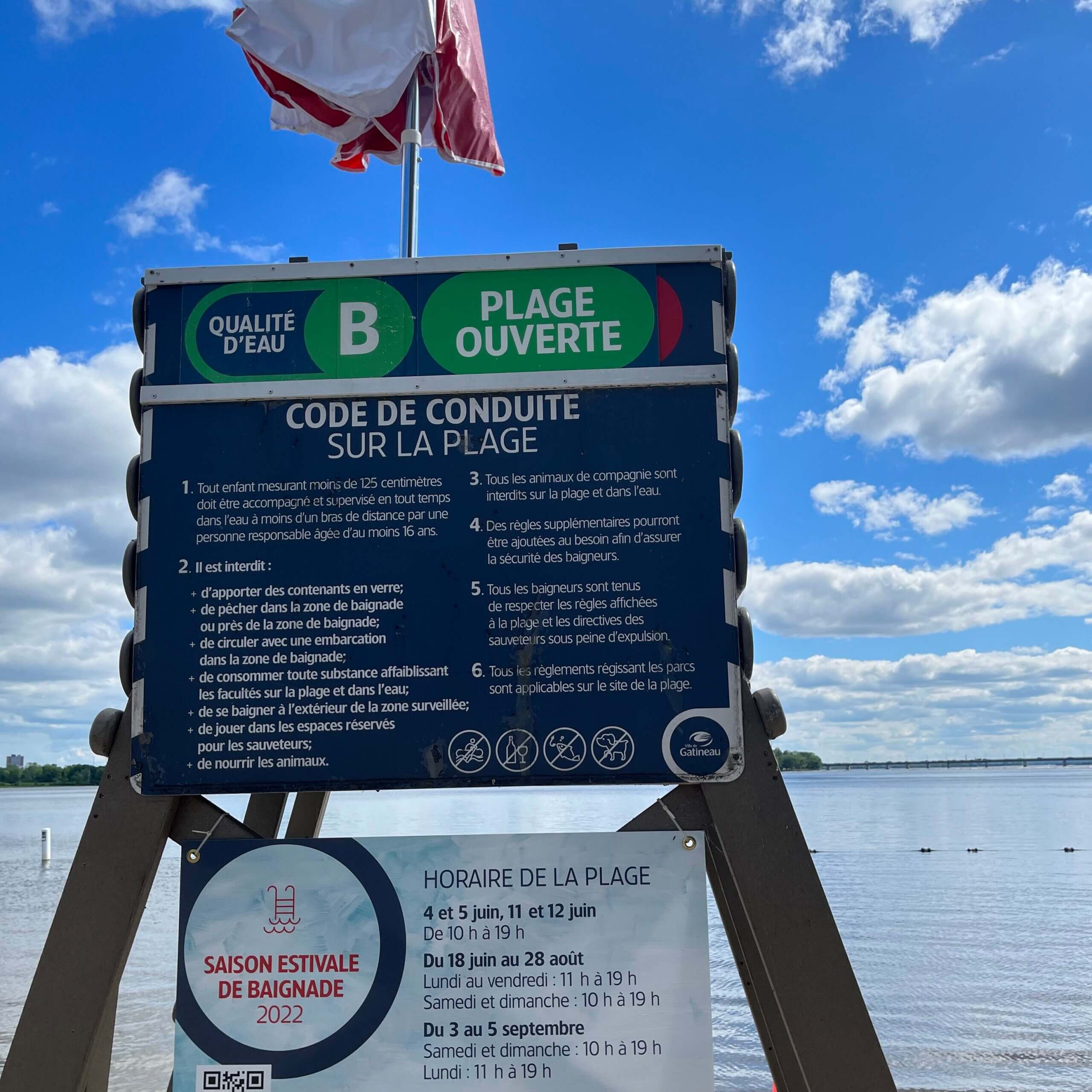
This is then compared to pre-established safety standards following Health Canada guidelines. For primary contact water, meaning water used for swimming, the Health Canada guideline is 200CFU/100mL. When E. Coli levels are too high and exceed this standard, then the site should be closed.
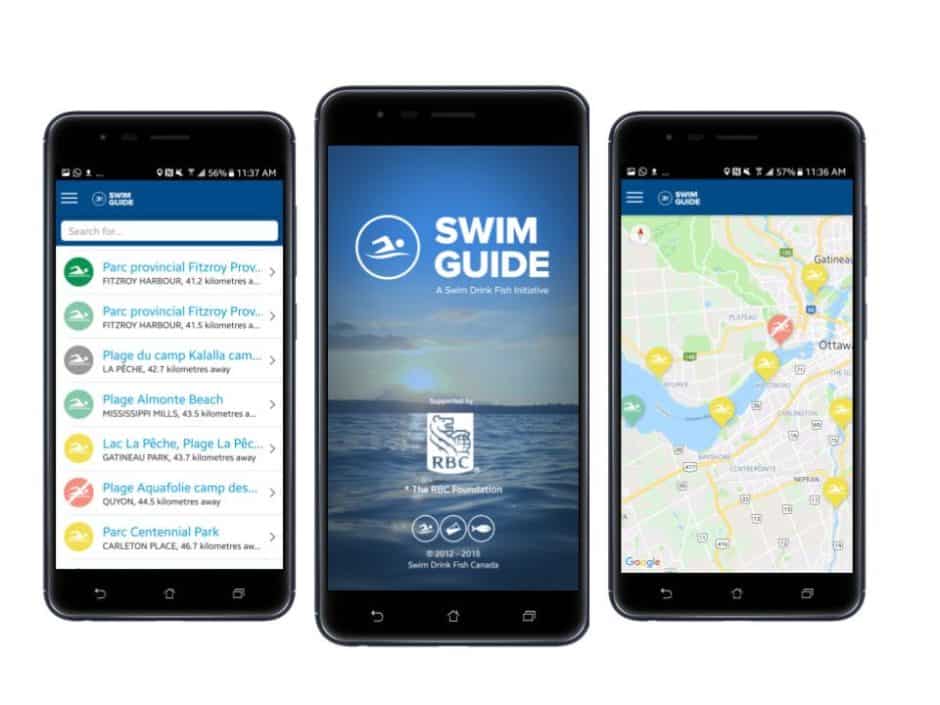
The results are then uploaded to Swim Guide. Swim Guide is an online app and website that offers water quality results and other general information for many beaches across Ontario, Quebec and beyond. It is an amazing resource to learn about current and historic water quality information pertaining to all of your favourite beaches, and any beaches you are planning to visit this summer. Swim Guide is also a great way to discover new beaches with the interactive map feature, and it provides photos along with other information relevant to the beach.
In essence, that is the Recreational Water Quality Monitoring Program! We hope this behind the scenes look on the program allowed you to learn more about how this program works and why it is so important. Don’t forget to check the Swim Guide app before your beach trip and stay out of the water after heavy rainfall events!
Can you fill us in on how many sample sites you use per beach, and how far apart the samples are taken. I recall there is a protocol for this.
I would like to note that for experienced swimmers without immune comprimize, the 200FU/100mL is way too conservative. The Health Canada level is determined by the expectation that 1 in 25 swimmers would get an ecoli infection (diarrhea mostly). This would include young children, possibly infants, as well as seniors and elderly people from gulping water. So, I fear that experienced swimmers are missing out on the enjoyment of the river because of these “scary” ecoli numbers. Of course, public health has to take a conservative approach, but we should also not be paralyzed by the numbers. If there is plant life around in the water, try to avoid it and shower after to prevent the parasite that causes swimmer’s itch. This is my own opinion. People should exercise their best judgement went venturing around water, including noting weather forecasts, approach of wind and fog, watercraft, best practices for safety, etc.
Hi MJ, Thanks for your comment!
We take 5 samples each time we monitor water quality at a beach. These samples are evenly spread out across the swimming area at a depth of around 1m.
We follow Health Canada’s guidelines, because we want to present data that keeps the safety of all potential water users as the priority. Additionally, it keeps our data consistent with municipalities, which will close beaches when E. coli exceeds 200 CFU/mL.
Ultimately, as you suggest, when it is or is not safe to enter the river is usually up to the individual to decide. Our water quality data is meant to help people be as informed as possible when they are making that decision, and is not intended to dictate when someone is or is not allowed in the river. As an organisation, we can only make recommendations that have the safety of everyone in mind.