
Posted: December 8, 2023
New data shows road salt harms creeks year-round
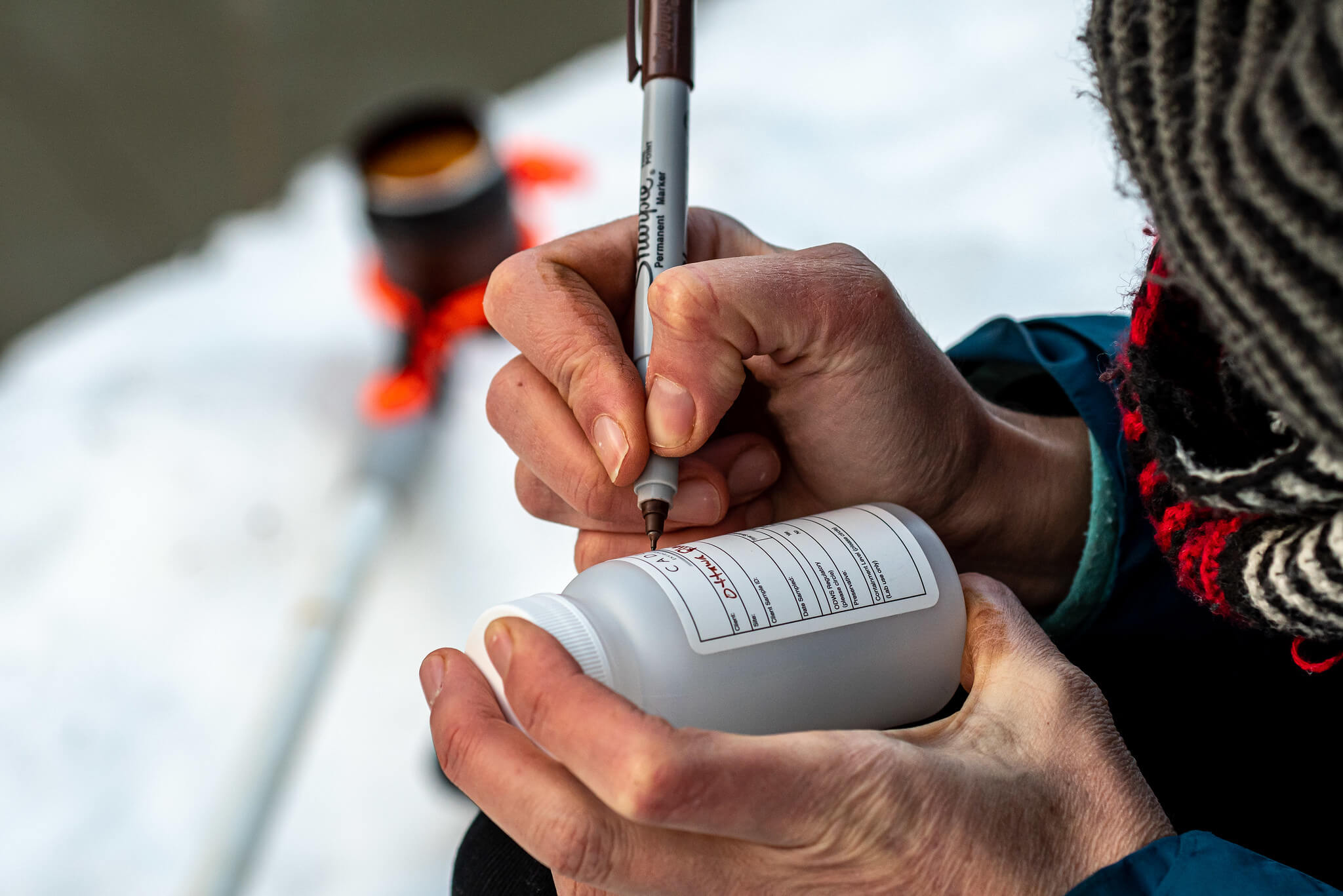
New results from our monitoring program paint a grim picture: road salt pollution continues to harm the ecosystems of urban streams and creeks long after the snow has stopped falling and salt is no longer being spread. We must work on reducing the use of this pollutant to safeguard urban waterways.
As snow blankets the National Capital Region and many parts of the watershed begin to tackle winter in earnest, thoughts throughout the region turn to an important seasonal issue for urban freshwater – road salt pollution. Sadly, new data collected as part of Ottawa Riverkeeper’s monitoring programs indicate that salt is not just an issue while the ice is around: urban ecosystems suffer all year from the salt spread during the winter.
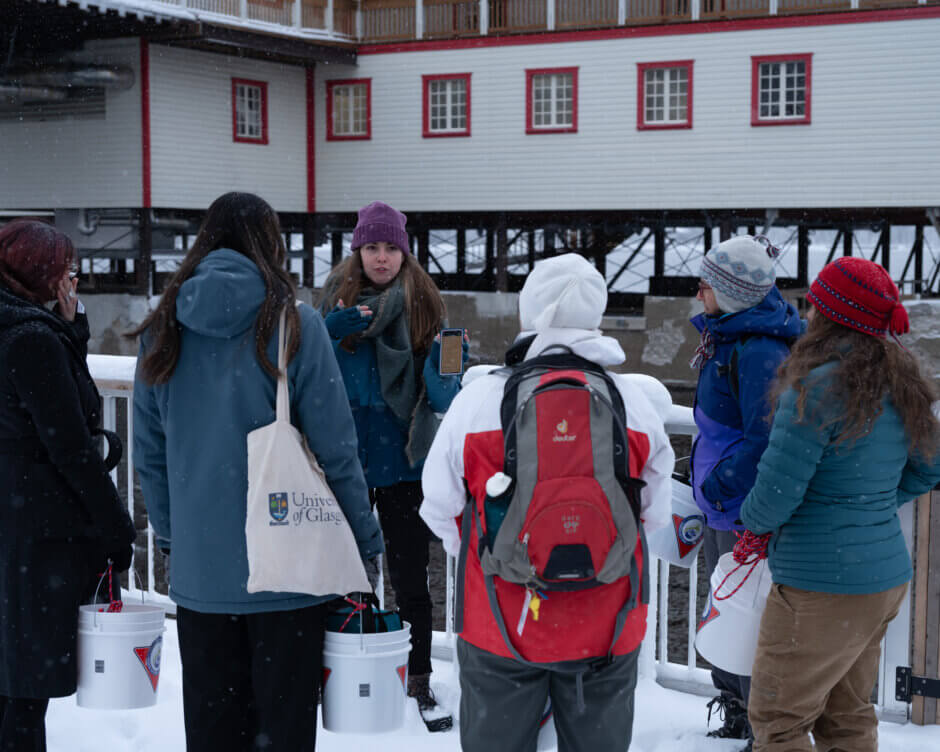
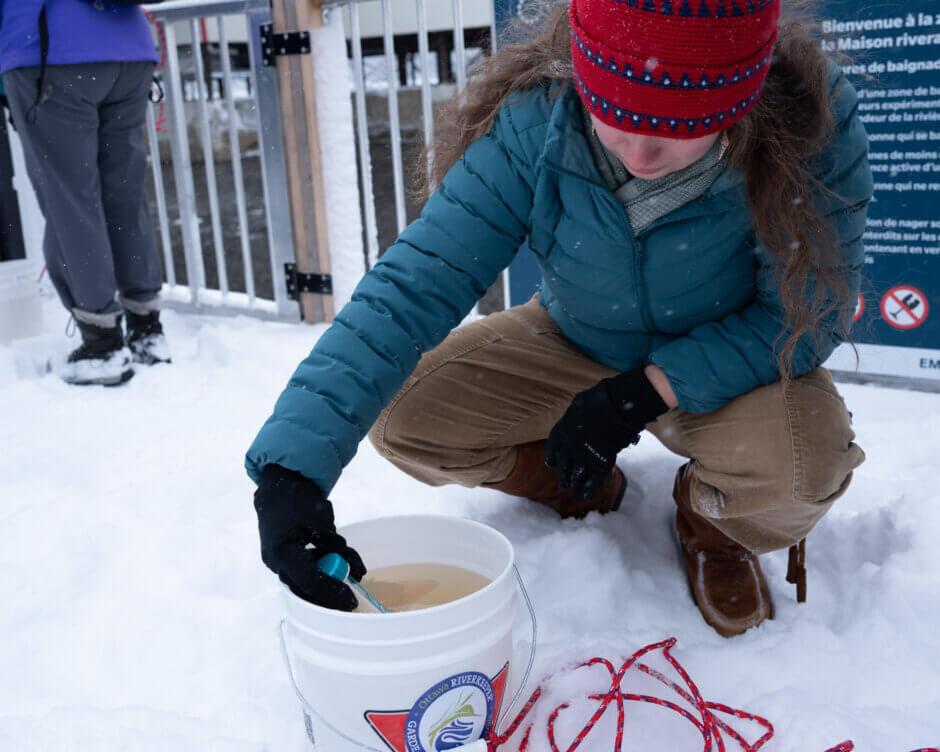
As volunteers gear up for the winter monitoring season and we begin outreach around this common pollutant in the region’s urban waterways, this blog explains what we’ve learned and shared about this issue over the warmer months.
Summer monitoring
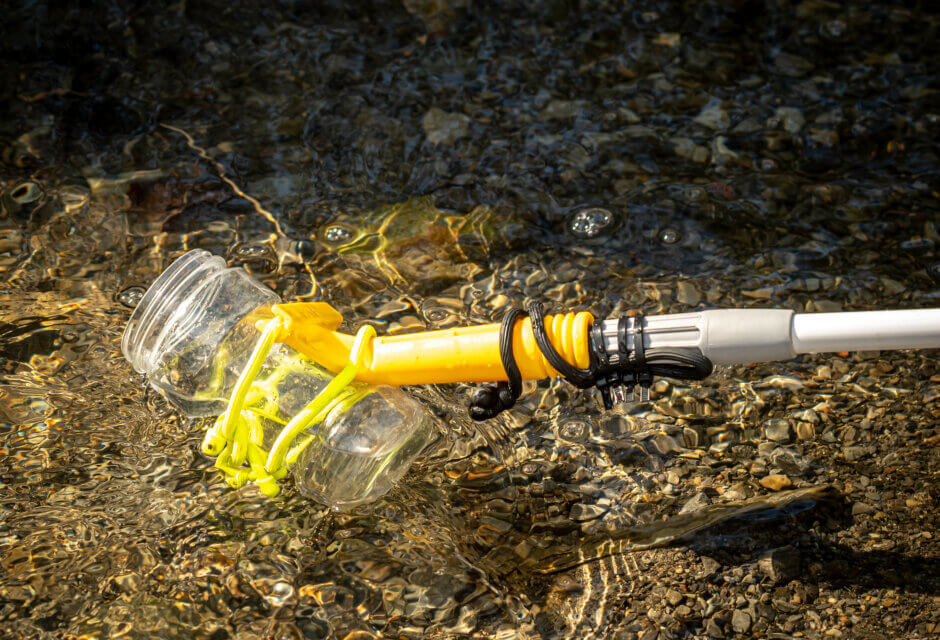
Ottawa Riverkeeper has been studying road salt pollution over the past four winters with the help of dedicated community scientists. Our results have shown very concerning levels of chloride pollution in streams when sampled after salt is applied to nearby roads. In 2023, we took this research a step further, tracking how much this impact persists by asking volunteers to sample during the summer as well.
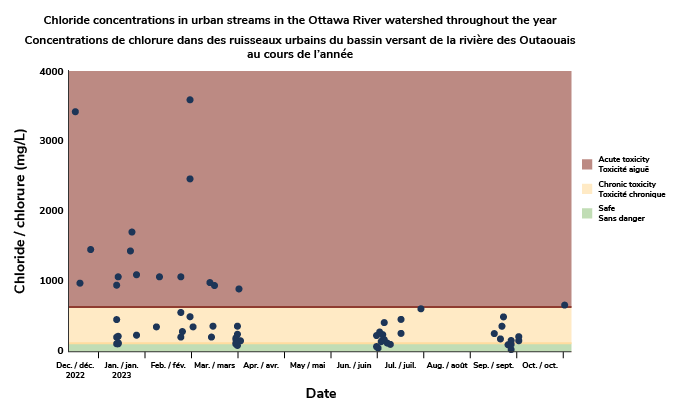
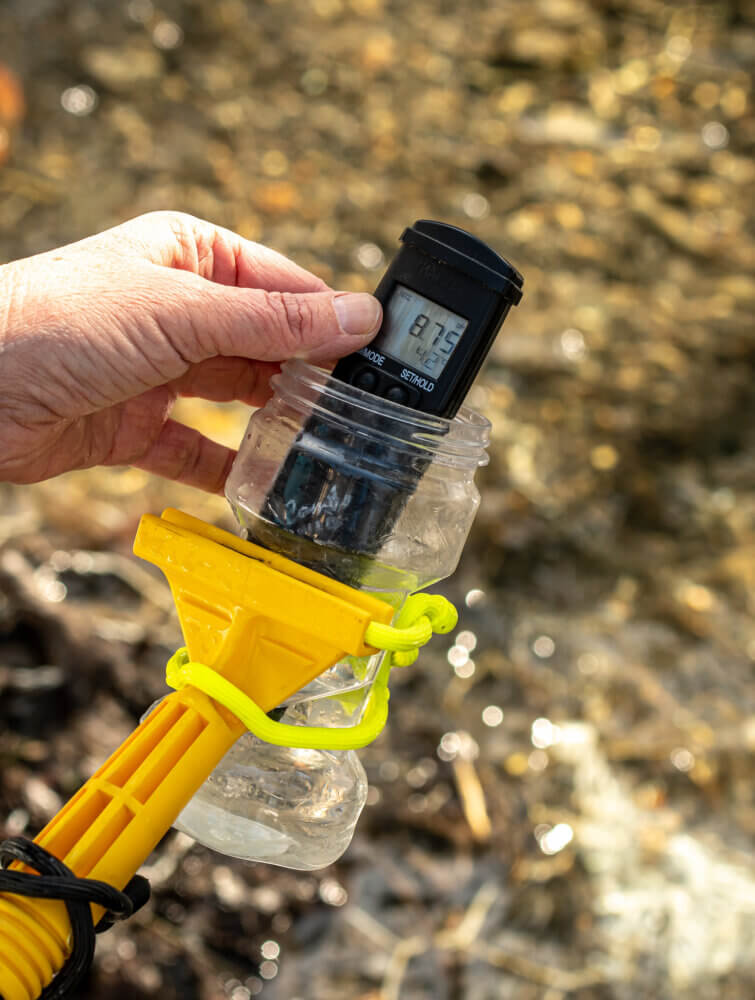
The results from this summer are disheartening. Due to chloride’s ability to persist in ecosystems, we suspected levels would remain high, and yet we were still disappointed to see that they remained above the chronic toxicity threshold at most sites sampled. If levels remain above the chronic toxicity threshold even in September, long after the ice and snow has melted away, this means that exposure over the long term is harming organisms in these waterways.
Although there is evidence for a slight decrease in chloride over the summer, levels never reduce enough to stop harming the ecosystems in urban waterways. There is clearly no respite between applications of road salt for vulnerable organisms such as dragonfly nymphs, mussels, snails, worms, and the many amphibians that live in these creeks and streams.
Working the problem
Road salt helps people stay safe in winter, but all too often it is misused or overapplied, harming local ecosystems. Ottawa Riverkeeper has collaborated with stakeholders at many levels to address the issue of road salt pollution while encouraging ways that road salt can be used effectively.
This past summer, the City of Ottawa approached Ottawa Riverkeeper to participate in a new training video for the municipal staff responsible for spreading salt on the roads during the winter months. With a large road network, the City of Ottawa is one of the most prolific users of road salt in the region and has been actively looking to make sure it is spreading salt optimally and sustainably. This video highlights the impacts of excess road salt to emphasize why effective use is so important.
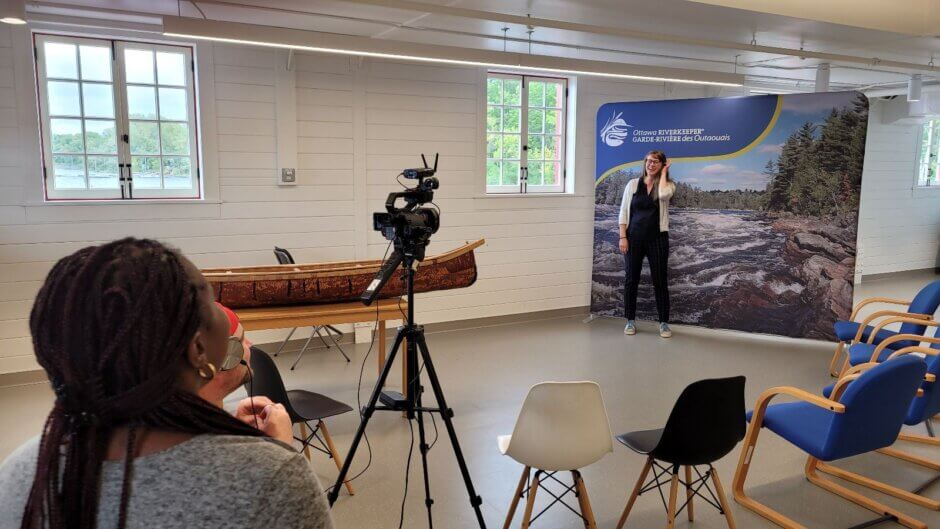
Larissa Holman, Ottawa Riverkeeper’s Director of Science and Policy, delivered a compelling segment for the training video focused on the damage that road salt can cause to freshwater organisms and ecosystems. She covered some immediate effects, such as breathing problems for amphibians and insects, and how this causes long-term harm to the birds, mammals and fish that rely on those species.
This collaborative work is a positive step forward and an example of how we can strive towards more sustainable and responsible road salt usage for residents, private companies, municipalities and more. By promoting awareness of the harmful effects of excess road salt, we want to show people how to foster a healthier watershed for the future.
Teaching change
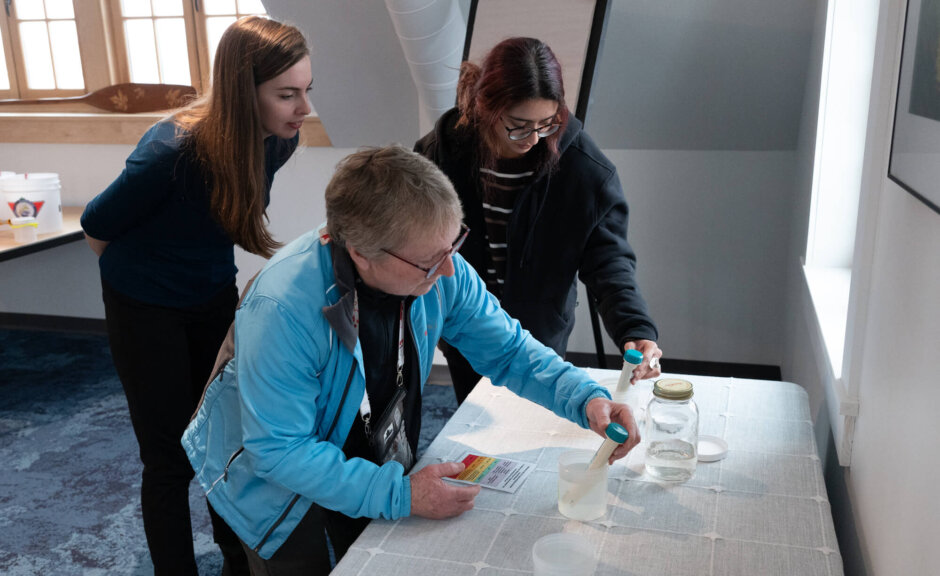
It may seem hard to teach about the watershed during the cold winter months; however, the salt right under our feet and on our school grounds is a powerful starting point for place-based, experiential learning! To that end, Ottawa Riverkeeper has also released new educational programs to raise awareness about the issues associated with excess road salt. Educating the next generation (and their teachers!) is pivotal in addressing environmental challenges, and our latest resources are designed to empower teachers and students to be part of the solution.
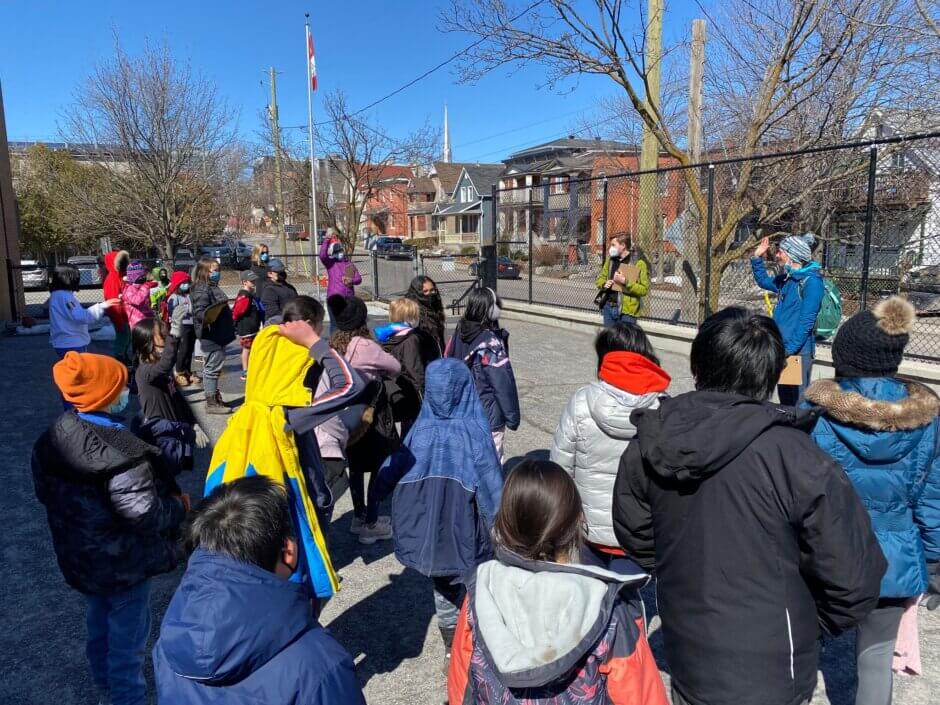
Designed for teachers to use in classrooms, these new resources encourage students to learn about the world around them and contribute to its preservation. Ottawa Riverkeeper teamed up with local educators to develop and pilot these educational activities and resources. With versions for both grades 2-8 and grades 8-12, these packages include comprehensive lesson plans, engaging workshops and fun activities. These lessons fully align with the Ontario and Quebec curriculums.
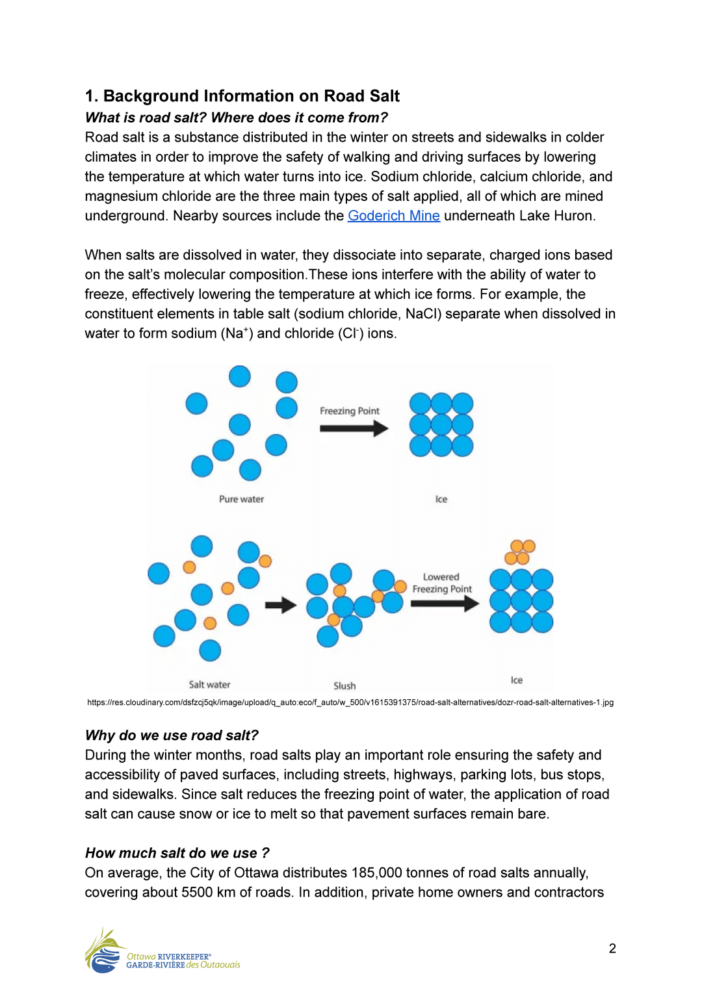
If you are a teacher who wants to inspire your students with locally relevant, place-based, actionable environmental lessons, we invite you to explore the resources and incorporate them into your classrooms. Contact education@ottawariverkeeper.ca if you are interested in learning more or booking a workshop with one of our amazing educators!
Check out these resources in the folder below:
No documents found.
We acknowledge the support of the Natural Sciences and Engineering Research Council of Canada (NSERC) in developing these resources
We are excited to be able to transform the data being uncovered by our dedicated community scientists and turn it into valuable educational materials for the next generation. Using these resources, teachers and other educators can show students why it is crucial to reduce salt usage, while making them further aware of the potential unintended consequences that everyday actions may have on our ecosystems.
Do you have sample points both close and far from the roads? To see concentration in both nearfield and farfield.
What are viable alternatives? Shopping centres and public buildings are also contributors. Salt damages their properties also..
If the City could use 30% less road salt but still maintain the bare pavement winter maintenance standards, the incentive is less funds would be needed in the snow clearing budget. The new data for summer readings concur with other NGO’s water quality monitoring programs of the local creaks. Other NGO’s measure the conductivity but there is a good linear correlation with the chloride concentration (R=0.95), at least up to the chloride chronic region. Unfortunately the conductivity in most of the local creaks exceed the CCME water quality index of 500 us/cm. Does road salt have an effect on summer time chloride readings? Inconclusive. Road salt is applied to the roads and 48 hours after a snow event the conductivity readings in the creaks are back to baseline. Some road salt does end up on the side of the roads on the grassy areas, but “the mobility of Cl− in soils is so high that it can be used as a tracer to assess soil water movements or aquifer recharge (Dowling et al., 2018)” so the chloride, so doubtful if there is any effect after few Spring rain event. Maybe the baseline chloride concentration in the creaks is due to the leda clay from the Champlain Sea that covered the Ottawa Valley a long time ago. To answer your question Don … no, conductivity measurement and samples are only taken from the creaks.