
Posted: February 21, 2025
Kebaowek First Nation wins court case over consultation on the NSDF at Chalk River
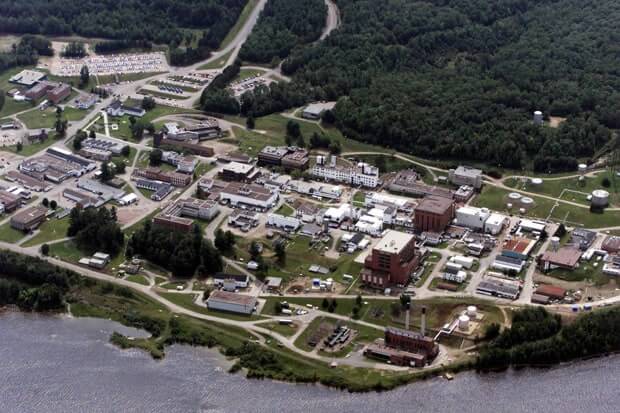
Kebaowek First Nation has won a court victory over consultation on the proposed Near Surface Disposal Facility (NSDF) at Chalk River.
On Wednesday, a federal judge determined that Kebaowek First Nation had not been properly consulted during the process of approving the Near Surface Disposal Facility (NSDF) at Chalk River. This follows a year-long court challenge that the community launched following the approval of the NSDF on January 8th, 2024.
Ottawa Riverkeeper firmly believes that true consultation with Indigenous communities is crucial for any project affecting their lands and waters. Any failure to do so is especially glaring given that Canada has agreed to abide by the United Nations Declaration on the Rights of Indigenous Peoples (UNDRIP), which emphasizes the free, prior and informed consent of Indigenous communities on whose traditional territories federal government projects are being considered.
This court victory not only strengthens Kebaowek First Nation’s right to be consulted but also sets a precedent for ensuring that Indigenous communities’ voices are heard in decisions about projects on their traditional territories, aligning with the recognition of their rights under UNDRIP.
What does this mean?
As a result of the court decision, additional consultations must now take place with Kebaowek First Nation, and any other communities that end up taking part, to ensure they have a robust opportunity to intervene. The proponents of the project, Canadian Nuclear Laboratories (CNL), and the federal government regulator, the Canadian Nuclear Safety Commission (CNSC), must now determine how to go about those consultations. We do not currently know whether there will be further appeals and court challenges, but either way, this will likely delay the NSDF project.
However, it is important to note that this judgement focused on the consultation process. There was no decision stating that the NSDF project could not proceed. Nor did the judge make a ruling on the environmental concerns that Kebaowek raised about the project. Rather this decision emphasizes the need for robust consultation. Ottawa Riverkeeper has previously asserted that robust consultations were a necessary part of this process.
Where does the project stand?
Ottawa Riverkeeper has been raising our concerns with the proposal for many years. Most recently, we outlined our concerns with the NSDF proposal as it was initially approved in a blog one year ago, and our more broad concerns with nuclear waste policy and projects in the watershed in a blog last summer. We are also long-time members of the Chalk River Nuclear Laboratories’ Environmental Stewardship Council (ESC), attending meetings to stay on top of further developments at the site.
We will continue to follow this project and other developments in the watershed. We also follow the efforts of Kebaowek First Nation and other Indigenous-led initiatives that aim to protect our watershed and uphold the rights of Anishinābeg Algonquin communities.
Today is May 5th, (2025), a day we along the Ottawa River know of as being when spring water levels traditionally crest on the Ottawa River. Levels are looking their ‘usual high’ here at the mouth of the Coulonge River . . . They look to be starting to recede. It would be so very interesting to see just how these usual spring water levels impact the shoreline up at Chalk River through a bird-eye view. Flooded grounds up at CNL, I have been told, are an annual event. Environmental, human, flora and fauna impacts of annual high waters at the Chalk River site have been ignored, as have the devastating historical high flood levels of the past decade. Is it not time for sincere transparency to be addressed by CNL, and be included in their Environmental Impact Studies and reports. What affects One affects All of us in this neck of the woods.
Do we know why the CNSC carried out safety visits to site yet? What were the safety violations that the CNSC were alerted to?
Why did CNL ban the NSDF Construction Manager from site after he highlighted safety issues?
Some very corrupt practices going on….