
Oliver’s Page
Meet Oliver and learn about how to keep hazardous waste out of our waterways.
Hazardous Household Waste
Hazardous waste—typically characterized by its toxicity, corrosivity, or flammability—includes aerosol cans, batteries, bleach, household cleaners and disinfectants, latex and oil-based paint, pool chemicals, and pharmaceuticals. When chemicals contained in such products are released into the environment via soil, air, or water, they may compromise both human health and the environment, even in low concentrations. They may also corrode pipes and other wastewater infrastructure, as well as put the well-being of those who work in the waste management sector at risk. Environment and Climate Change Canada’s Guide to Classification lists major types of hazardous waste and the activities that produce them.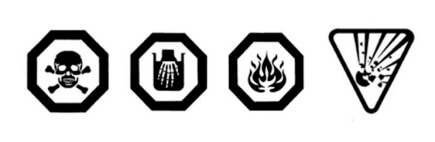
What you can do:
1. Household hazardous waste should not be included in your regular garbage and recycling, or dumped into sewers and drains.
2. There may be non- or less- toxic alternatives that you can use instead. For example, many choose to make their own household cleaning products using common cooking ingredients such as baking soda, lemon juice, salt, and white vinegar.
3. Most Canadian provinces and territories have household hazardous waste collection programs in place. For example, under Ontario’s Orange Drop program and Quebec’s network of Écocentres, both Ottawa and Gatineau operate depots where you can safely dispose of any corrosive, explosive, poisonous, or flammable products for free. Depots manage hazardous waste in a way that prevents hazardous waste from entering landfills and waterways.
4. Contact your Ottawa Riverkeeper for input.
 Oliver Dumville
I was born in Bathurst, New Brunswick, and spent most of my teenage years in tropical New Caledonia. After returning to Canada, I completed a bachelor’s degree in Ecology at Concordia University, as well as a graduate diploma in Integrated Coastal and Ocean Management at the Marine Institute of Memorial University, and a master’s degree in Public Administration at Queen’s University. In 2012-13, through placements with the Canadian International Development Agency, I helped initiate small-scale aquaculture activities along the coast of Tanzania, and contributed to fisheries research in Iloilo, Philippines.
I am currently a policy analyst at Environment and Climate Change Canada, working specifically on water policy development. I am also a member of the Canadian Water Network’s Student and Young Professionals Committee, and co-organize Blue Drinks Ottawa, an informal networking event held in Ottawa every month or so. If you’d like to be added to the distribution list for upcoming events, send an email to bluedrinksottawa@gmail.com or join the Blue Drinks Ottawa Facebook group.
We all have some special connection to water. These are our watermarks and I’ve archived mine with the Watermark Project. Read my watermark here and take a minute submit your own!