
Posted: March 31, 2025
How Agriculture Shapes Phosphorus Levels in the Ottawa River Watershed and Beyond
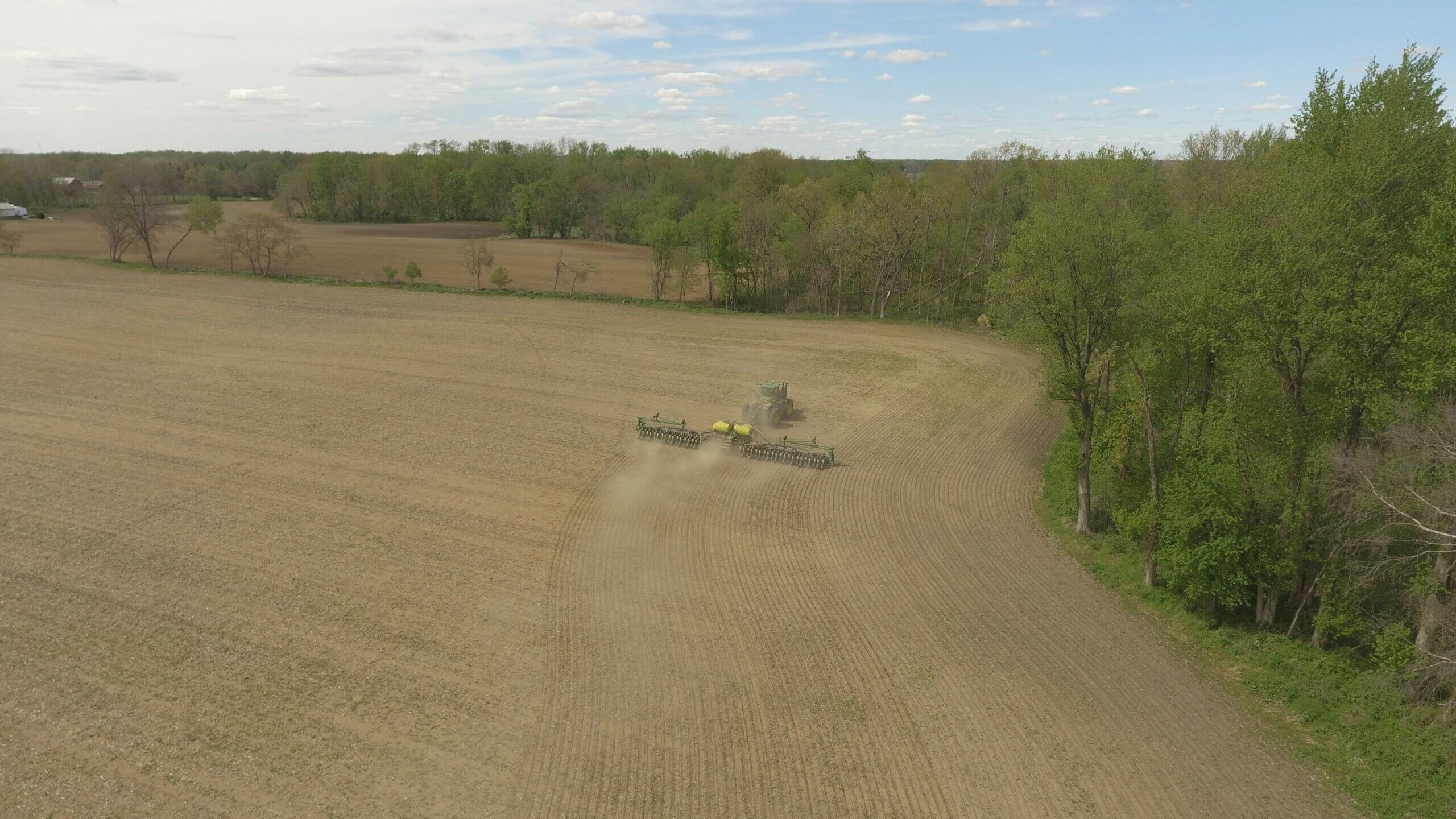
Phosphorus is essential for life, but too much in our waterways can have harmful consequences. By analyzing phosphorus concentrations and identifying high-impact areas, we can take targeted action to reduce pollution and protect both the Ottawa River and the St. Lawrence.
Phosphorus is essential for plant growth, but too much of it in lakes and rivers can lead to serious environmental issues. While phosphorus can be found naturally in soil, many farmers apply it through fertilizers. Unfortunately, when rain washes too much phosphorus off the fields and into water bodies, things can go downhill fast. Excess phosphorus leads to algae blooms that can grow out of control, sometimes becoming toxic and making the water unsafe for drinking, swimming, or fishing. As these algae die and decompose, they suck up all the oxygen in the water, creating “dead zones” where fish and other aquatic life can’t survive. Additionally, phosphorus pollution can make the water murky, foul-smelling, and generally unpleasant.
A collaborative approach to water protection
When Ottawa Riverkeeper first set out to understand the impact of total phosphorus on the Ottawa River, we reached out to the Lake Winnipeg Foundation, which had already established a community-based monitoring program to collect and analyze total phosphorus data. They generously shared their protocols and findings, which provided the model for Ottawa Riverkeeper to develop its own monitoring program. This initiative has deepened our understanding of where total phosphorus has the greatest impact on the watershed, as well as how the Ottawa River influences the Saint Lawrence River.
To learn more about the Lake Winnipeg Foundation’s program and how Ottawa Riverkeeper adapted its techniques for our watershed, watch The Phosphorus Puzzle, an Ottawa Riverkeeper webinar featuring special guest Chelsea Lobson, Programs Director with Lake Winnipeg Foundation.
Chelsea describes the Lake Winnipeg Foundation program in detail, after which our team introduces some of the aspects of Ottawa Riverkeeper’s program and findings from the Ottawa River watershed.
In river systems, upstream activities often affect downstream environments. Measuring phosphorus contributions between water networks requires two key data points: flow rates and phosphorus concentration. The phosphorus concentration refers to the amount of phosphorus present in a specific volume of water. Phosphorus loading, on the other hand, represents the total amount of phosphorus entering a water body over a defined period, such as daily, monthly, or yearly. Phosphorus loading is typically calculated from specific sources, including agricultural areas, urban stormwater runoff, or wastewater treatment facilities. Higher phosphorus loads can contribute to increased phosphorus concentrations in water bodies downstream. Another useful measure is total phosphorus export, which estimates the volume of phosphorus leaving a watershed per hectare, annually. This analysis helps identify areas where remediation efforts would be most effective.
Agriculture and phosphorus levels in the Ottawa River watershed
There is a clear link between agricultural land use and phosphorus concentrations. Subwatersheds with higher percentages of farmland tend to have elevated phosphorus levels. For example, the lower Ottawa area on the Ontario side is dominated by farmland and tends to have higher phosphorus levels. The South Nation subwatershed, where over 40% of the land is agricultural, has the highest median total phosphorus concentration in the watershed at 0.143 mg/L. Other subwatersheds with significant agricultural activity, such as Rideau, Blanche, and Bonnechere, also show elevated phosphorus levels.


Figure. Total phosphorus concentration vs percentage of agricultural land
Subwatersheds with more than 10% agricultural land, such as South Nation, Rideau, Mississippi, Bonnechere, and Blanche, follow similar trends. All of these subwatersheds are on the Ontario side, mainly around the National Capital Region, in a region that is known to have fertile, nutrient-rich soils. South Nation stands out, with a median total phosphorus concentration nearly 5 times higher than the Canadian guideline of 0.03 mg/L, and with every sample taken exceeding this guideline. Interestingly, the Mississippi subwatershed, despite its agricultural presence, is the only one with a median total phosphorus concentration below the guideline.


Figure. Percentage of samples containing total phosphorus concentrations above and below the Canada guidelines (0.03 mg/L).
When examining total phosphorus loading, which accounts for both concentration and flow, the key contributors shift. The South Nation River still contributes the highest amount of phosphorus, with nearly 123 tons entering the Ottawa River each year. However, the Gatineau River comes next, despite its lower phosphorus levels, delivering over 100 tons per year due to its significantly higher flow rate of approximately 350 m³/s, nearly seven times that of the South Nation River.

Figure. Total phosphorus loading and flow rate of tributaries into the Ottawa River
Targeted solutions for phosphorus reduction
The good news is that there are effective ways to reduce phosphorus runoff and improve water quality. The first step is identifying where mitigation efforts will be most impactful. By analyzing total phosphorus loading and export, we can determine which subwatersheds contribute the most phosphorus to the Ottawa River—and ultimately to the St. Lawrence. A watershed-wide approach is essential to addressing these challenges effectively.
One key takeaway from this analysis is the scale of phosphorus movement. The Ottawa River alone contributes 1,400 tons of total phosphorus per year, while the total phosphorus load of the St. Lawrence River at the Beauharnois Dam is 1,530 tons per year. That means that action in the Ottawa River watershed is essential for managing the impacts of phosphorus both in this watershed and downstream in the St. Lawrence River.
Tackling the problem of excess phosphorus requires collaboration among policymakers, conservation groups, and local communities. Investing in sustainable farming practices, wetland restoration, and natural shorelines can help reduce phosphorus levels and safeguard our waterways for future generations. With the right strategies in place, guided by evidence-based programs, we can take meaningful steps toward a healthier watershed.
