
Posted: September 10, 2024
Wader Tales: A Summer as Water Quality Assistant
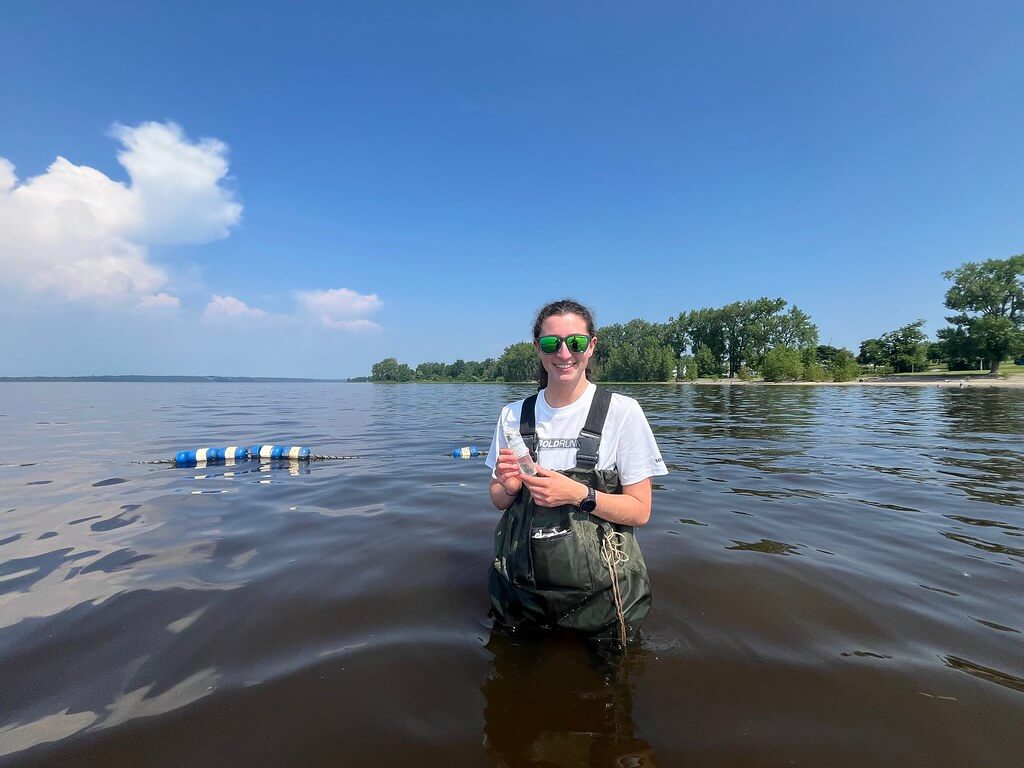
Gabby, Ottawa Riverkeeper’s Water Quality Assistant for 2024, reflects on her time testing local beaches and getting to explore the watershed, as well as how important it is to have accessible data for the public to understand the conditions in their waterways.
My connection with the water
I’ve always loved water. As a child, I loved swimming. As I grew older and began exploring the world around me, I couldn’t wait to explore my way to a new lake, river, or waterfall. However, it was only after moving to Ottawa five years ago that I really began to understand how much water meant to me. As I began to learn more about the aquatic sciences, I realised how lucky I was to have the Ottawa River right at my fingertips.
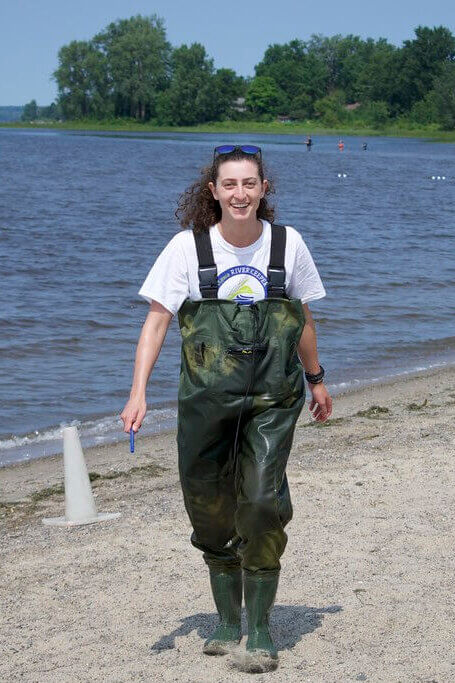
When I began my position as Water Quality Assistant at Ottawa Riverkeeper, I wasn’t sure what to expect. The realisation that I would be spending my summer testing local beaches for water quality and E. coli made me excited to learn and share the results of my work.
This position not only enabled me to grow in a professional environment, but also provided me with a personal connection, as well. I love open-water swimming, and spend many of my evenings after work swimming from buoy to buoy. Being responsible for the testing of swim sites was a thrilling opportunity for me.
Life as the Water Quality Assistant
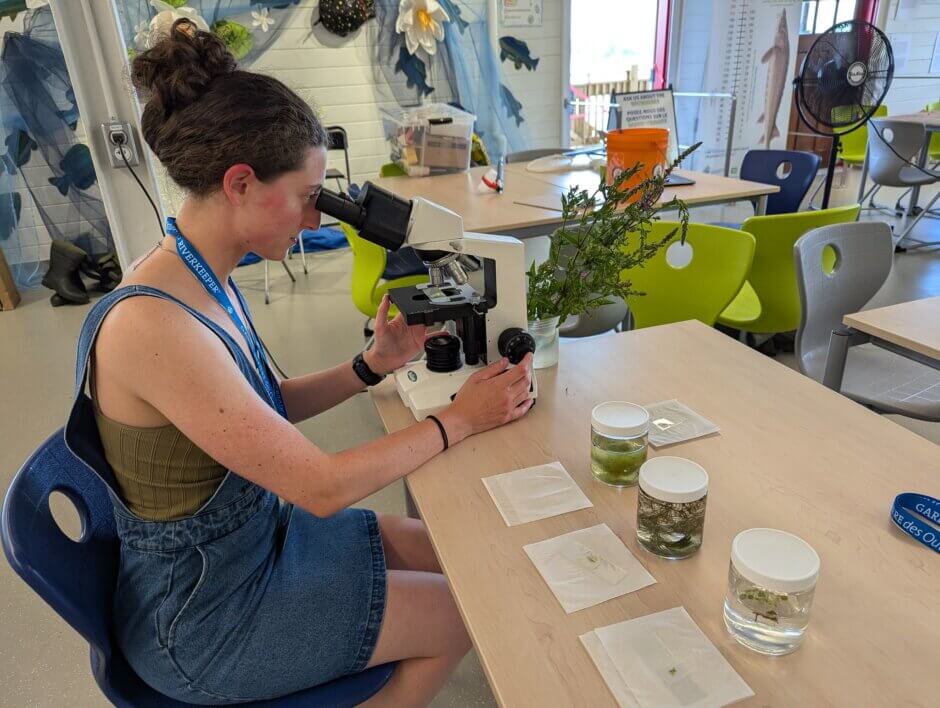
My mornings were spent driving to a number of different beaches to collect water samples, while my afternoons were mostly spent in the lab where I would prepare, incubate, and analyse samples. I got to see new places in the area, visit beaches I’d never seen before such as Norway Bay and Burnstown Beach, and really get to know the Ottawa River in a way I wouldn’t have believed.
This summer taught me so many things about water quality! I learned about E. coli bacteria, what their presence means for water quality, and both the methodology and reasoning behind the testing methods.
My position at Ottawa Riverkeeper focused on water quality testing, but I was also lucky enough to engage and learn from other projects. The Learning Lab at the NCC River House ran several workshops focused on a variety of topics, including invasive species, turtles, algal blooms, road salt, and Indigenous connections to the watershed. Being able to have this space open and available created a wonderful opportunity to be able to learn more about science and be able to share it with others.
A major challenge faced by scientists involves the ability to effectively communicate the results of their work in a way which is understandable and interesting to the community. It’s gratifying to see an organization work hard to make their science available and interesting to the public, to work to reduce the communication barrier, and provide access to data.
I was able to contribute in a few ways, through assisting with the Learning Lab and by updating water quality results throughout the watershed to Swim Guide, a tool that provides the public with current and frequently updated information about water quality and public beaches.
Working as Water Quality Assistant at Ottawa Riverkeeper this year was an incredible experience. I feel fortunate for this experience and knowing that not only did I learn an incredible amount about the watershed as a whole, but that I also worked to protect it.
< Previous post Next post >