
Posted: August 14, 2025
Stopping the Spread of Invasive Species, One Boat at a Time
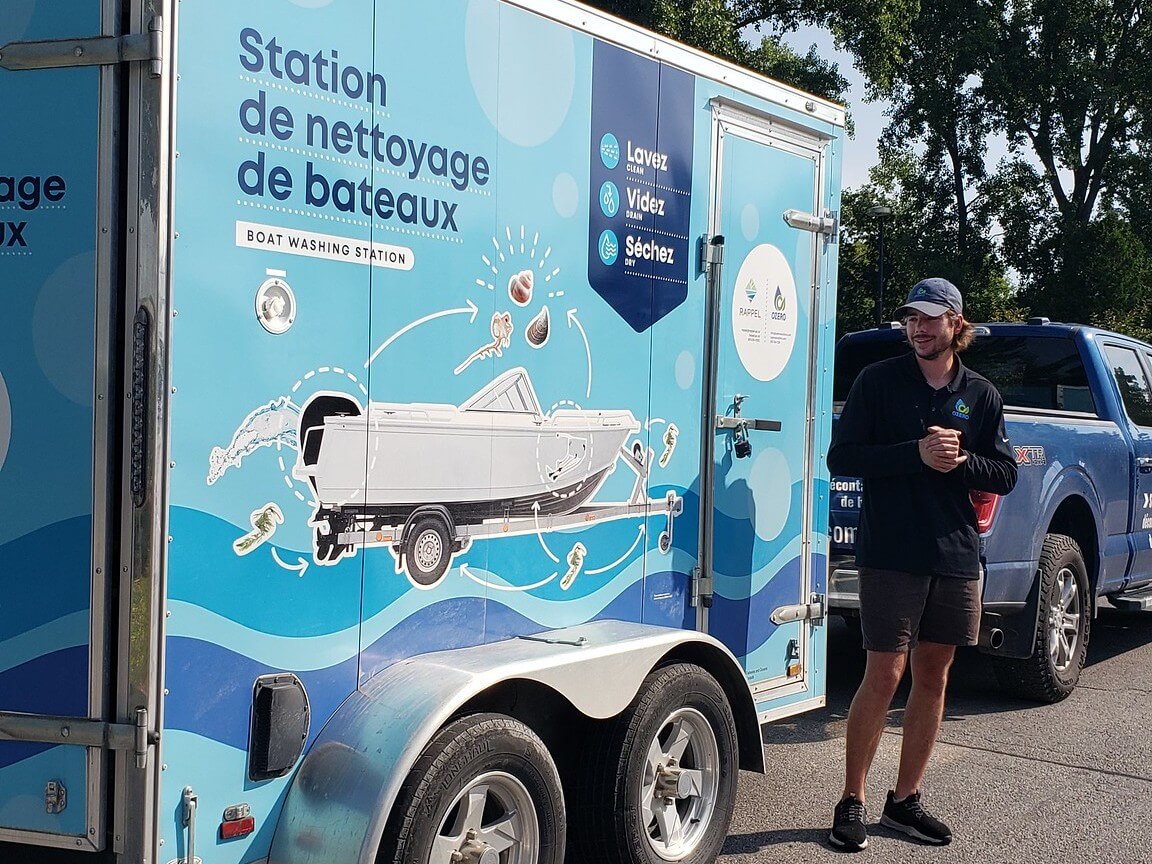
Ottawa Riverkeeper staff recently took part in a boat washing activity at the Aylmer Marina, hosted by OZero and the City of Gatineau, and we came away inspired!
A day at the Aylmer Marina
At the end of July 2025, Ottawa Riverkeeper staff joined a boat washing event at the Aylmer Marina, coordinated by the City of Gatineau and hosted by OZero. With clear skies and lots of sunshine, it was an ideal day to enjoy the water and connect with the community. The marina was a hub of activity that morning, and there were many people who were taking their boats in or out on the water, providing an opportunity to discuss what they could do to protect waterways from aquatic invasive species.
The event kicked off when a vehicle towing two jet skis pulled into the marina. Maxime from OZero was able to demonstrate how to properly wash this watercraft. He explained to curious onlookers that aquatic invasive species, like zebra mussels and Eurasian watermilfoil, can hitch a ride on boats and fishing gear. This can result in invasive species spreading to new lakes and rivers, where they can cause serious environmental and economic damage. The best defence? Clean, drain, and dry your watercraft before moving between bodies of water.
As the day went on, the marina became busier, and we had the chance to chat with local boaters. Many were interested in learning how boat washing helps protect aquatic ecosystems. One takeaway from those present was how the use of a washing station could help keep boats clean and prevent the spread of invasives at the same time. The catch is to make boat washing stations readily available across the region.
A standout moment came when we helped wash a larger boat that was about to leave the Ottawa River and head to a lake farther north in the watershed. During the initial inspection, Maxime discovered tiny aquatic hitchhikers, including mussel larvae, clinging to the hull. It was a great reminder of why boat washing matters. Without that cleaning, those larvae could have easily been transported to a new waterbody, potentially disrupting ecosystems and causing long-term harm.
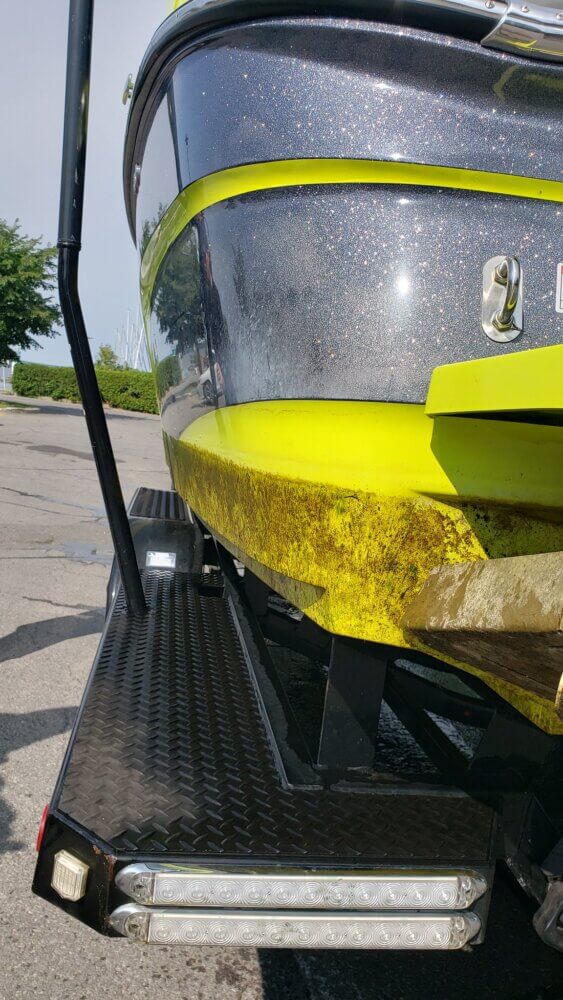
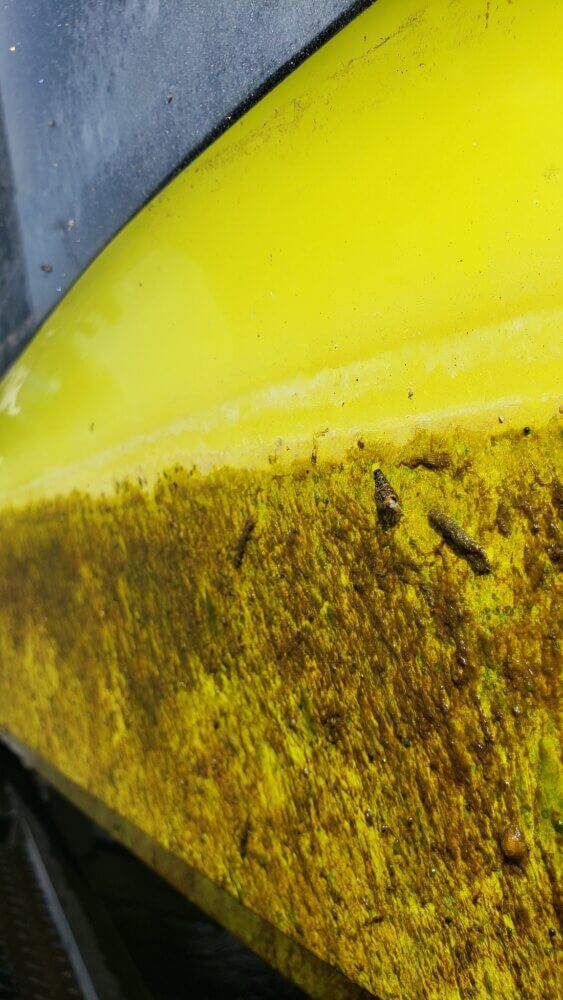
Every conversation we had and every boat we cleaned reinforced that: we all have a role to play in stopping the spread of invasive species.
Why focus on boat washing?
Recreational boating is one of the ways that invasive species are introduced to and spread throughout the Ottawa River watershed. Microscopic zebra mussel larvae, for instance, can be unknowingly moved between waterbodies if boats are not properly cleaned. Invasive plants, such as Eurasian milfoil and European water chestnut, can also be spread through tiny pieces of plants that are transported inadvertently by boats (in ballast, attached to hulls, etc.), which can propagate into whole plants once in a new area.
In some cases, the use of live invasive species (such as the Round Goby) as bait can establish a population in this new area if accidentally released. These introduced fish can put pressure on the native fish species, outcompeting them for resources and causing ecosystem-wide changes.
How to wash your boat:
It is important to take the time to wash your boat each time you remove it from the water, especially if transporting it to another location. Before you start to wash your boat, ensure you park it on a flat and absorbent surface (e.g. a grassy area) or at a designated boat washing station.

Though we use the word boat throughout this explanation, these steps apply to any vessel you may take out on the water, such as a jet ski, canoe, kayak, boat trailer, etc.
- Walk around the outside of your boat, removing any debris (e.g. wood, algae or plant material) from the surface and disposing of it in a trash bin away from the nearby watercourse.
- Empty the bilge water and any water stored in containers on the boat (e.g. buckets, livewells, or fish tanks).
- Using a pressure washer (2600 psi) with warm water (50°C), thoroughly clean your boat and equipment (such as ropes, anchors, etc.). Alternatively, if you do not own a pressure washer and there is not a local boat washing station near you, you can use a brush* and a homemade, environmentally safe all-purpose cleaner**
- *Disinfect and rinse your brush after each use
- **Recipe: mix 2 tbsp of baking soda, 2 tbsp of your favourite essential oil, 1 cup vinegar, and 2 L of warm water. Pour into a spray bottle and you’re all set!
- When time allows for it, allow your boat and equipment to dry in the sun for 5 days [1, 2].
We spoke to Olivier Liberge from OZero Solutions in a recent webinar (in French). Watch the recording to hear him explain more about the importance of boat washing and how to do it for different watercraft. We also dive into some of Ottawa Riverkeeper’s data about invasive species!
If you want more information on responsible and sustainable boating practices, check out our Boating Guide!
Not sure how to identify or report some of the invasive species that threaten the watershed? We have created short quizzes for 15 of the invasive species reported in the watershed that threaten rivers and lakes. With your help, we can create a strong database of invasive species distribution. This information will allow us to inform local NGOs or government agencies of invasive species presence and better protect native species from the harmful effects of invasive species.
Thanks CPAWS and the St Lawrence Action Plan’s Community Interaction Program, supported by the Canada Water Agency and the Quebec Ministère de l’Environnement, de la Lutte contre les changements climatiques, de la Faune et des Parcs, for helping to fund our work on invasive species.


References:
- [1] https://www.dfo-mpo.gc.ca/species-especes/ais-eae/prevention/clean-drain-dry-decontaminate-lavez-videz-sechez-decontaminez-eng.html
- [2] https://www.ontario.ca/files/2022-03/ndmnrf-best-management-practices-for-preventing-the-spread-of-aquatic-invasive-species-en-2022-03-2022.pdf
How long can some invasive species live outside water? For example if I take my boat out of the water and trailer home and do not wash it and then seven days later go boating again is it possible that some invasive species can still be alive on my boat? I think this is critical information for all boaters. Thank you.
Hi Peter, great question. Aquatic invasive species can be quite resilient, so it is possible that some could stick around on a boat even for prolonged periods of time out of the water. Spiny waterflea eggs, for example, can remain dormant for long periods of time (years), depending on environmental conditions, so it is still best practice to wash your boat between uses, even if it has been a long time since you last used it.