Sign the Road Salt Reduction Pledge!

Road salt is a source of safety in winter, protecting drivers and pedestrians from accidents and falls. However, it is drastically over-used and is causing increasing damage to our local waterways.
There is a solution: We must reduce our use of road salt to protect our watershed, rivers, and freshwater ecosystems. Reducing road salt use has additional benefits, such as reducing damage to infrastructure and protecting pets.
You can lead the change! Take the pledge below to confirm your commitment to reducing or eliminating your use of road salt, and to help spread the word about this blight on our waterways each winter.
Road salt overuse is a complex and layered problem. It spans municipalities, businesses, contractors, and individuals. Help shift our culture by taking this step and inspiring others to do the same!
Road Salt Reduction Pledge
Read Ottawa Riverkeeper’s Privacy Policy here.
Educate yourself on the harms of road salt overuse:
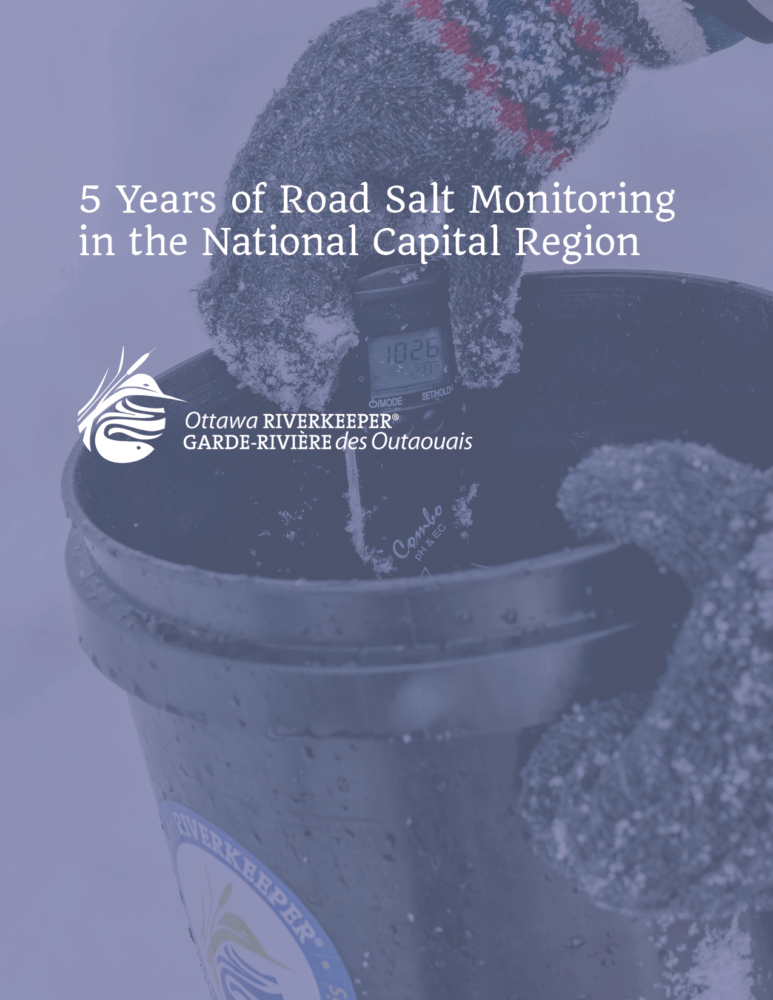
The problem is severe. For the past 5 years, Ottawa Riverkeeper has been collecting data to show emphatically that the amount of road salt entering our creeks is way too high, crossing toxic thresholds at most of the monitoring sites in the Ottawa-Gatineau region. Get a picture of the extent of the problem by reading our 5-year summary report, which also includes recommendations for tackling the issue together.
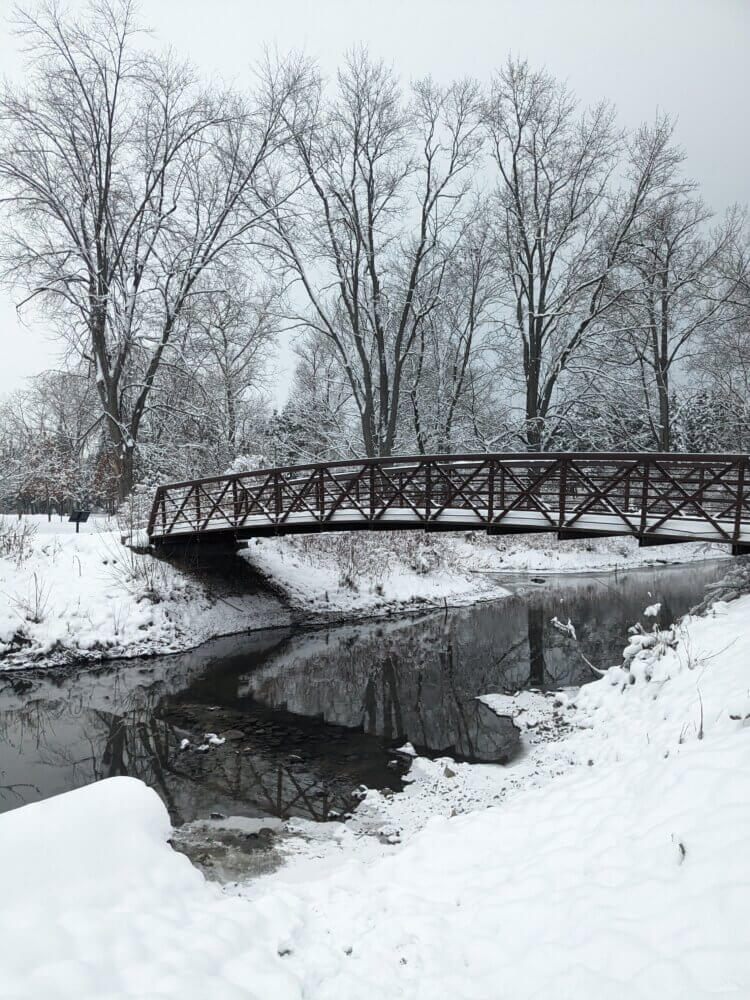
Road salt has severe negative impacts on freshwater ecosystems, especially in small urban creeks and streams. In this blog from 2021, you can learn how high levels of salt in freshwater streams can hurt various important species in our ecosystems.
Reduce or eliminate your road salt use with these tips:
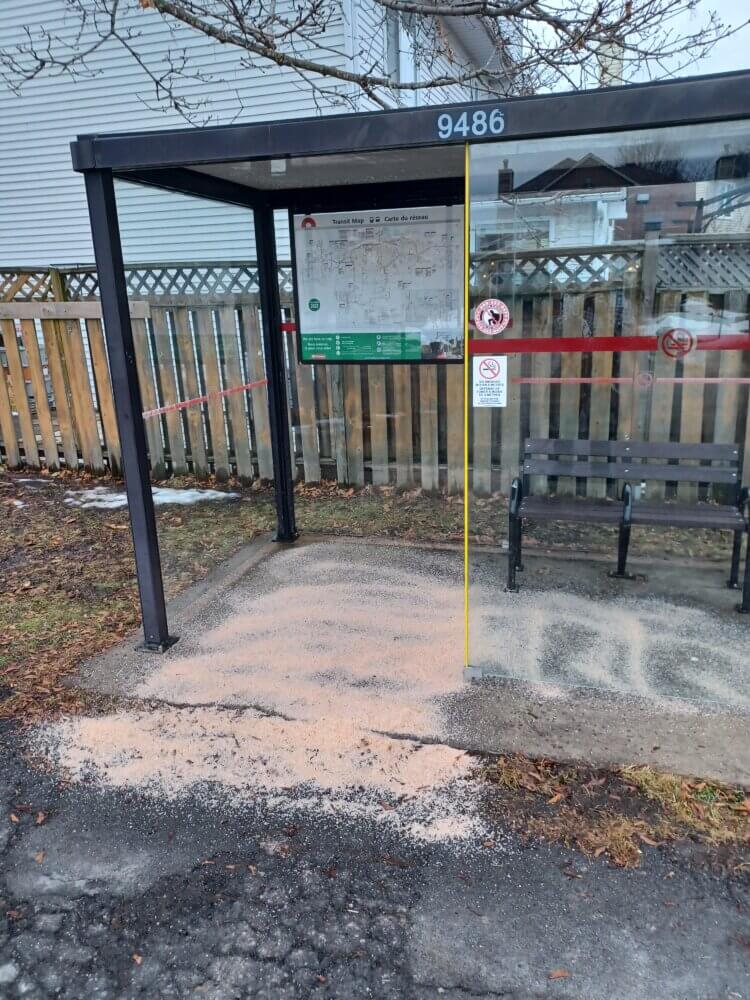
If you, or your landowner, are spreading road salt on the property of your home or business, there are many ways you may be using more than you need to. This overuse not only damages our shared ecosystems, but also harms your property and infrastructure, and costs you money.
Take some time to re-examine the use of road salt on your property, or if you live somewhere as a tenant or renter, advocate to your landowner to reduce road salt use. Here are some guidelines to help reduce, or eliminate, road salt use as part of your winter safety preparations:
- Don’t use road salt at temperatures colder than -7 C
- Road salt works by making a solution with water, and this new solution doesn’t freeze at temperatures between 0 C and -10 C, meaning ice won’t form. However, this solution will start to be less effective at temperatures colder than -7 C, and become completely ineffective when colder than -10 C, making the application of salt when the forecast calls for those temperatures a harmful waste.
- Use alternatives for traction, such as sand or gravel
- Salt is used to prevent ice from forming by creating a solution with water. It isn’t meant to give you a grip on ice that is already there. If you want something to go between your boot and the ice, consider something like sand or gravel instead.
- Shovel often to prevent ice buildup
- Salt is used to prevent ice from forming by mixing with water from melting snow. If you shovel away the snow early and often, there won’t be water present to form ice at all, and applying salt will be unnecessary.
- Use only as much salt as you need
- Applying road salt is all about creating a solution of salt with water, which means getting the proportions right. One common source of overuse is just putting down way more salt than you need. If you do need to apply salt, try to use only 2 tablespoons of salt per square meter of pavement or road. As a rule of thumb, you should only need about a coffee mug full for a 2 car driveway. If you are stepping on more than 7 grains of salt in a single step, you’ve used too much!
Spread awareness about road salt overuse with these resources:
If you want to easily share how people can reduce their road salt use, consider sending someone our blog with 5 Tips to Reduce Your Road Salt Use, an easy explainer about why and how people can cut back on using salt in the winter.
You can also send those curious to our Road Salt Usage Quiz, a great interactive way to learn about how much salt to use and when.
If you know a teacher, consider sharing our Teacher’s Resources with them. They include a module on how to teach students about issues with road salt, helping to shift our culture of overuse by educating the next generation in the proper application and usage of salt.
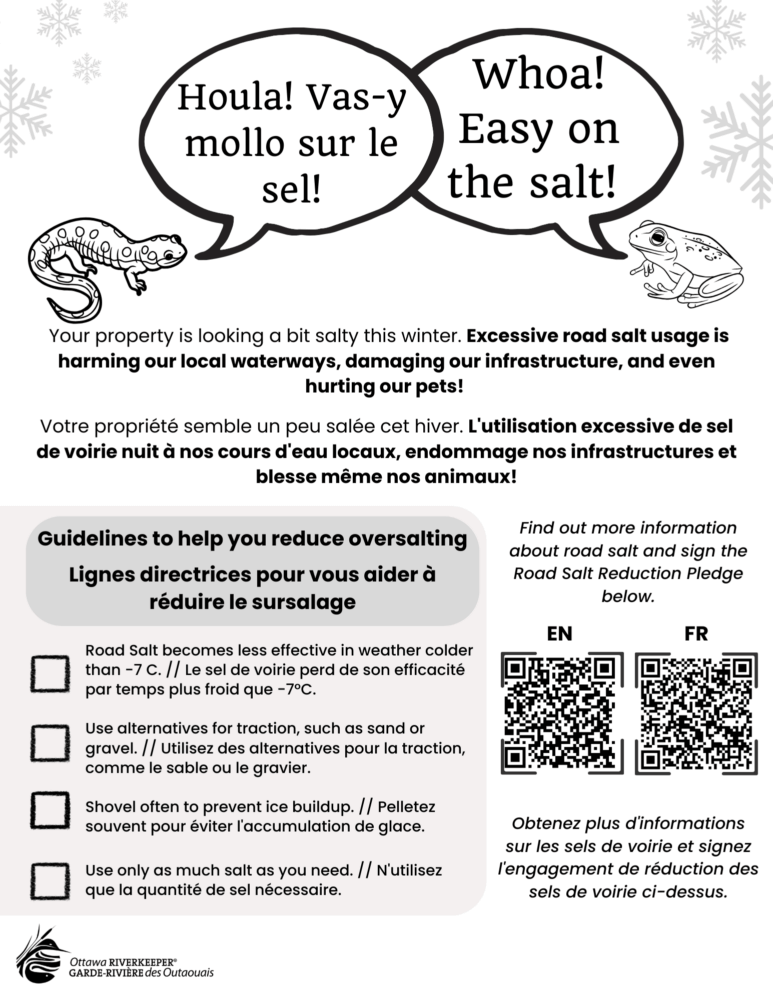
Finally, if you spot an overuse of salt in your neighbourhood and want to spread the word about needing to cut back, we have an easy resource that you can print at home and share. This bilingual flyer points people in the direction of learning more about the harms of road salt overuse!
Share this pledge using the links below: